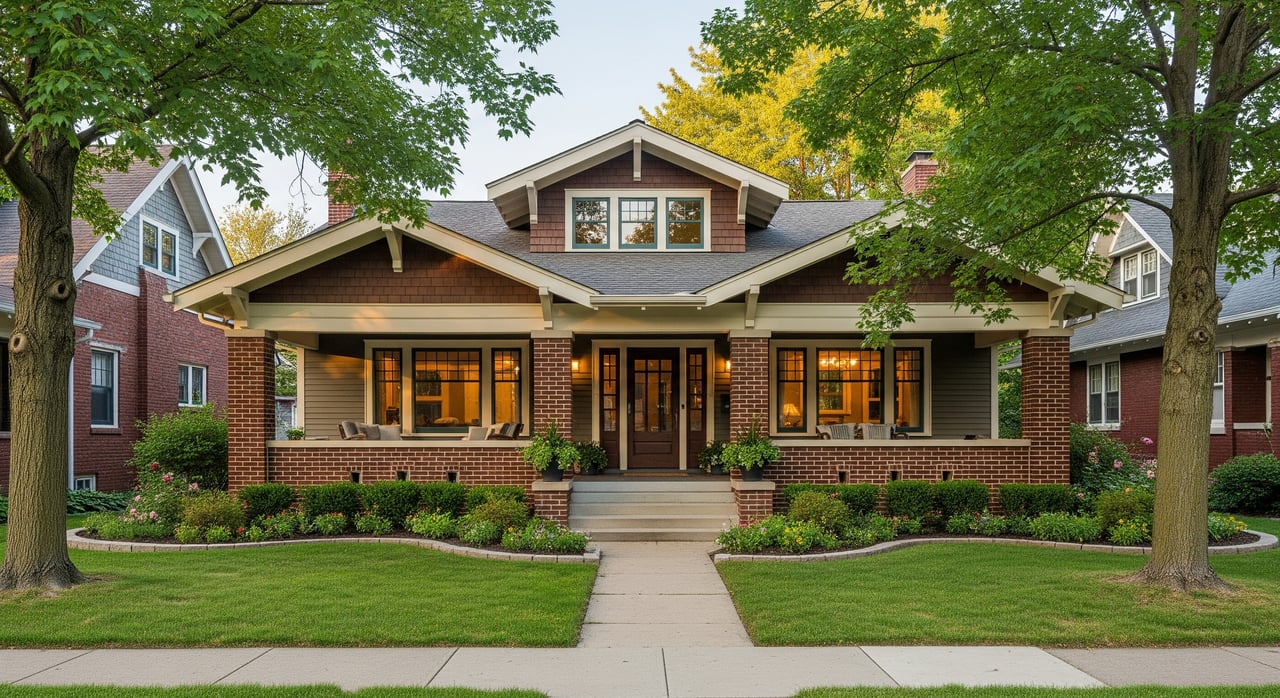
Is a classic Broad Ripple bungalow calling your name? You’re not alone. Buyers love the walkable streets, neighborhood porches, and the character you can’t replicate with new construction. In this guide, you’ll learn how to spot the most common bungalow and cottage styles, what typical floor plans feel like, and the inspections and updates that matter most for older homes. Let’s dive in.
Why Broad Ripple appeals
Broad Ripple Village sits on the north side of Indianapolis with a true neighborhood feel. You’ll find early to mid-20th-century homes, tree-lined streets, and easy access to parks and trails, including Broad Ripple Park and the Monon Trail. Lots tend to be narrower with alleys for garage access, which adds to the walkable scale. Most original houses were built between about 1910 and 1940, so plan for historic charm paired with modern updates.
Spot the styles on your tour
Broad Ripple offers a mix of bungalows and cottages from the early bungalow boom through the 1940s. As you walk up to a home, focus on roof shape, eaves, porch details, and exterior materials. These cues will help you identify the style in seconds.
Craftsman bungalow
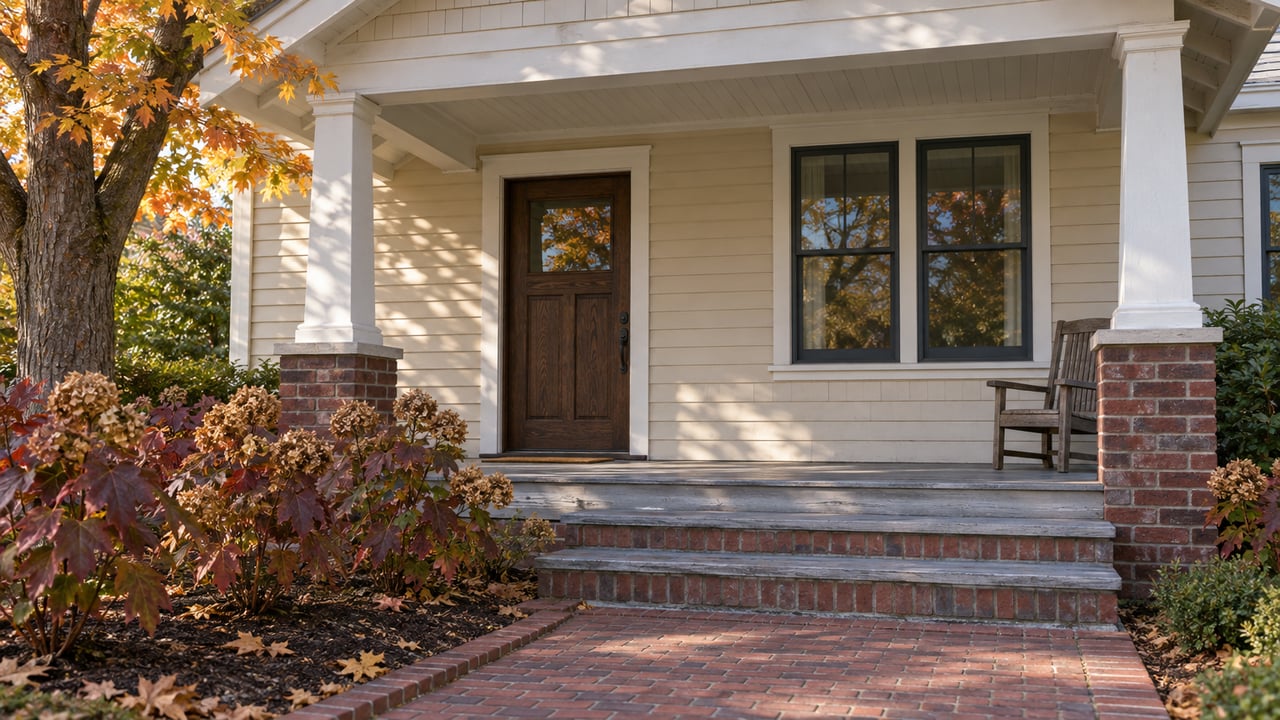
- Low-pitched front or side gable roof with wide eaves and exposed rafter tails.
- Tapered porch columns resting on substantial brick or stone piers.
- Wood clapboard or shingle siding and original multi-pane wood windows in the upper sash.
- Inside, look for built-in bookcases, window seats, hardwood floors, and thick wood trim.
California bungalow
- Similar massing to Craftsman but often a longer, lower profile.
- Broad front steps, generous porch, and simple, horizontal lines.
- Exterior may be stucco, shingles, or board-and-batten.
English cottage and Tudor-influenced
- Steeper roof pitch with picturesque massing.
- Arched or recessed front doorways and occasional decorative half-timbering.
- Stucco or brick exteriors with multi-pane casement or double-hung windows.
American foursquare
- Boxy two-story profile with a hipped roof and central dormer.
- Full-width porch with substantial supports and a balanced facade.
- Typically larger interior layouts with four rooms per floor.
Minimal Traditional cottages
- 1930s to 1940s homes with simplified trim and smaller footprints.
- Clapboard or brick veneer, with fewer decorative details than earlier styles.
- Early examples of attached garages or driveway-forward layouts.
Quick visual checklist
- Roof and eaves: Wide eaves with exposed rafters suggest Craftsman. Steep roof pitch and half-timbering hint at English cottage.
- Porch: Tapered columns on solid piers lean Craftsman. Arched entries and slender posts often signal cottage or Tudor influence.
- Cladding: Shingles or wood siding is common on Craftsman and California bungalows. Stucco shows up on English cottage and some revival styles.
Floor plans and everyday flow
Original homes were designed for efficient living, not oversized spaces. Expect smart use of square footage, inviting front porches, and rooms that can adapt to modern life.
Bungalow layouts
- Living room at the front, dining room just behind, and kitchen toward the back.
- Two to three bedrooms on the main level, often with a small attic or half story above.
- Many basements are shallow with lower ceilings and are used for mechanicals and storage.
1.5-story cottages
- Main living areas on the first floor with smaller bedrooms tucked under the roof on the second.
- Dormers are common and help bring in light.
- Stairs and hallways can be narrow, which is part of the era’s footprint.
Foursquare interiors
- Central stair or hall with four main rooms per floor creates a very practical plan.
- Larger attic space offers potential for bonus areas or storage.
- Porches function as a true outdoor living room facing the street.
What has changed over time
- Many dining rooms have been opened to kitchens for better flow.
- Kitchens in the original plans were compact, so enlargements and islands are frequent upgrades.
- Laundry is often moved to the main level or a mudroom near a side or back entry.
Construction basics to know before you buy
Homes built from the early 1900s to the 1940s come with distinct materials and systems. A careful inspection helps you plan updates and protect your budget.
Foundations and structure
- Early homes may have brick or stone foundations; poured concrete became common by the 1910s to 1930s.
- Watch for settling, mortar wear, leaning chimneys, and door or floor misalignment.
- Basements often show water intrusion. Check grading, gutters, and downspouts.
Framing and exterior cladding
- Older homes can include early balloon framing; later ones use platform framing.
- Wood clapboard, shingles, stucco, and brick veneer are typical.
- Look for wood rot at sills and porch columns, plus moisture behind siding.
Roofing
- Most roofs today are asphalt shingles that replaced older materials.
- Ask about roof age, flashing around chimneys, and the condition of valleys and eaves.
- Gutter failures can cause hidden moisture damage, so inspect drainage closely.
Windows and doors
- Many homes retain original wood sash windows with divided lites in the upper sash.
- Common issues include rotted sashes, failing glazing, and single-pane energy loss.
- Buyers often balance energy upgrades with preserving historic character, sometimes using storm windows or period-appropriate replacements.
Electrical and plumbing
- Older wiring may include cloth-insulated runs or even knob-and-tube in very early homes.
- Confirm a modern service panel, grounded circuits, and adequate amperage.
- Galvanized supply lines and cast-iron drains are common in early plumbing and may need replacement. Copper and PEX are modern standards.
Insulation and energy
- Many older homes have limited cavity insulation and inconsistent air sealing.
- Plan for attic insulation, targeted wall insulation where feasible, air sealing, and efficient HVAC.
- Heat pumps or updated gas furnaces are popular for performance and comfort.
Hazards and environmental checks
- Lead-based paint is likely in homes built before 1978 and is subject to EPA Renovation, Repair and Painting rules when work disturbs painted surfaces.
- Asbestos may be present in some older floor tiles, pipe insulation, or attic insulation. Testing and proper abatement are important.
- Radon testing is a smart step in Indiana. If levels are high, mitigation is straightforward.
- Because Broad Ripple sits near the White River and local waterways, review FEMA flood maps and local floodplain data for the specific lot.
Updates buyers value today
You can modernize for comfort and efficiency while keeping the features that make Broad Ripple homes special. The key is to preserve character where it counts and upgrade what impacts daily life.
- Kitchens: Opened sightlines, larger islands, quality appliances, and added storage. Preserving original trim and built-ins alongside a modern kitchen is a big win.
- Bathrooms: Converting small baths for better layouts or adding a second bath is common. Radiant-heat floors and tiled showers add comfort.
- Mechanical systems: Updated HVAC, a 200-amp electrical panel, and modern plumbing materials improve reliability.
- Energy efficiency: Attic insulation, air sealing, and selective window strategies often provide the best return.
- Outdoor living: Rear decks or patios, refreshed landscaping, and functional alley-access garages enhance daily life.
- Laundry and mudroom: Main-floor laundry and a mudroom near the back or side entry streamline routines.
Balancing character and comfort
- Keep character-defining features like porches, built-ins, original floors, and trim.
- Use sensitive design moves, such as widening openings rather than removing every wall.
- When replacing windows or doors, consider styles that echo original proportions and profiles.
Budget, timelines, and permits
Every project is unique, but Broad Ripple buyers often plan for targeted upgrades after closing. Set a realistic budget and timeline, and align early with local rules.
- Small to moderate projects like a kitchen refresh, bath update, or mechanical replacements often range from about 30,000 to 100,000 dollars depending on scope and finishes.
- Larger projects such as additions, basement finishing, or comprehensive restoration can exceed 100,000 to 250,000 dollars or more.
- Exterior changes may require permits or review, especially in areas with historic or conservation overlays. Contact the Indianapolis Department of Metropolitan Development for permits and the Indianapolis Historic Preservation Commission for guidance where applicable.
- Permits and reviews can add weeks to months. Build in contractor lead time given current labor market conditions.
Smart steps before you write an offer
Position yourself to move quickly and confidently in a neighborhood with high interest.
- Line up an inspector experienced with older homes. Ask about foundations, moisture, electrical, plumbing, and roof flashing.
- Order radon testing, and budget for mitigation if needed.
- Review FEMA flood maps and local data if the home is near waterways.
- Ask for permit history and any code enforcement records to understand past work.
- Confirm locations of plumbing stacks if you plan to add or move bathrooms.
- Evaluate storage needs and circulation. Narrow stairs and small closets are common, so plan creative solutions.
- If you want to preserve historic details, look for original floors, trim, windows, and built-ins in good condition.
How Homes of Worth can help
Buying a Broad Ripple bungalow is both a design decision and a lifestyle choice. You deserve guidance that respects the home’s story and your goals for comfort and function. Our team combines neighborhood expertise with a designer’s eye to help you evaluate condition, estimate practical updates, and spot the styles that fit how you live.
If Broad Ripple is on your shortlist, we’re ready to tour, strategize, and help you secure the right home. Connect with Homes of Worth to talk through your plan.
FAQs
What defines a Broad Ripple bungalow style?
- Expect compact, efficient floor plans from roughly 1910 to 1940 with inviting front porches, wood trim, and period details like built-ins, original floors, and distinctive rooflines.
Which bungalow style is most common in Broad Ripple?
- You’ll most often see American Craftsman bungalows, along with California variations, plus English cottage, American foursquare, and Minimal Traditional homes.
What should I inspect in an older Broad Ripple home?
- Focus on foundation and roof condition, moisture in the basement, electrical panel and wiring type, plumbing materials, window condition, and potential lead, asbestos, or radon.
Are Broad Ripple homes at risk for flooding?
- Some properties near the White River or local waterways may be in FEMA flood zones. Review flood maps and local elevation data for the specific address.
How much do typical upgrades cost for these homes?
- Many buyers budget 30,000 to 100,000 dollars for targeted updates, while larger additions or full restorations can exceed 100,000 to 250,000 dollars or more depending on scope.
Do I need permits for exterior changes in Broad Ripple?
- Most exterior changes and additions require permits. In designated areas, you may also need review by the Indianapolis Historic Preservation Commission.
How can Homes of Worth support my Broad Ripple purchase?
- We help you evaluate condition, prioritize updates, and negotiate with confidence, pairing local expertise with design-focused guidance tailored to your goals.