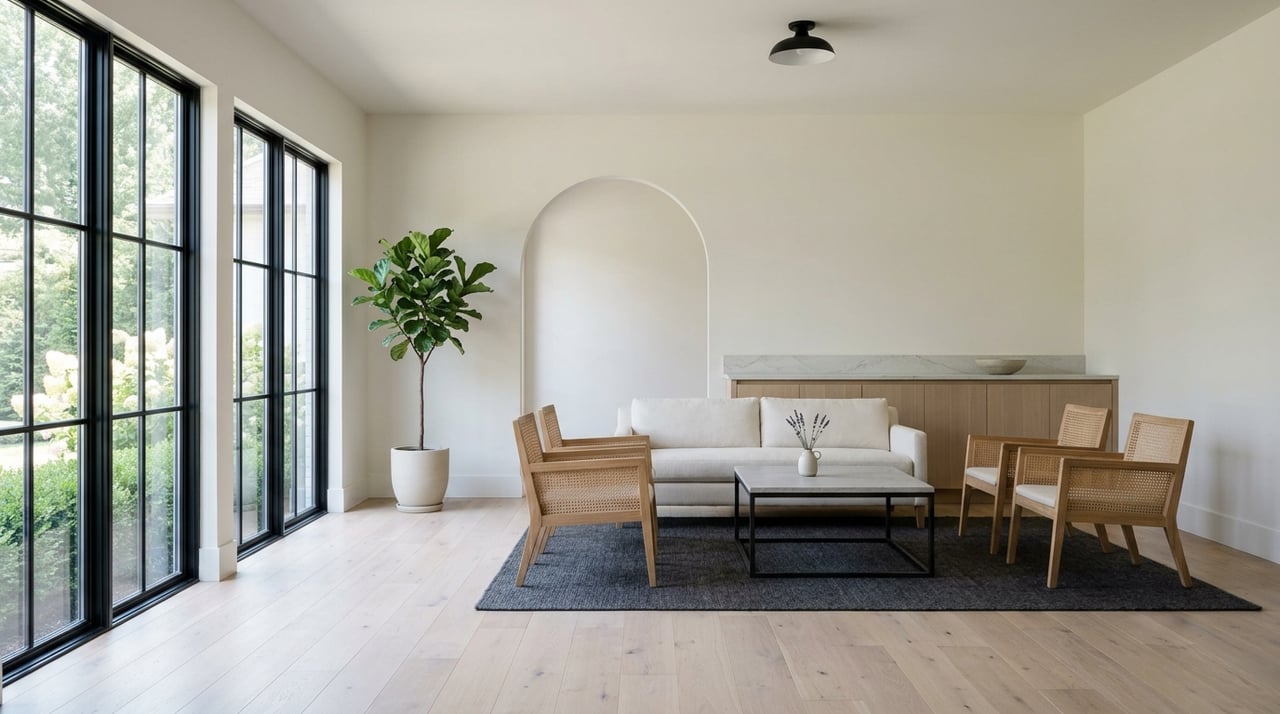
If you are getting ready to sell in Zionsville, you may be wondering how much prep is actually worth it. In a market where homes can attract quick attention, buyers still make fast judgments based on price, presentation, and how the home feels online before they ever step inside. The good news is that a few smart, focused moves can help your home stand out for the right reasons. Let’s dive in.
Why presentation matters in Zionsville
Zionsville sits in a premium price range, and current market snapshots point to strong buyer attention. Zillow reports an average home value of $691,754, up 6.2% year over year, with homes going pending in about 8 days. Realtor.com also shows a median listing price of $699.9K, a 100% sales-to-list ratio, and median days on market of 32.
The exact numbers vary by source, but the takeaway is consistent. In a market like this, strong presentation and disciplined pricing can help you protect value and reduce friction during the sale process. Buyers notice details quickly, especially in a community with a distinct identity like Zionsville.
The Town of Zionsville describes the area as a blend of modern and rustic centered around historic brick Main Street. Planning documents also emphasize preserving the Village’s historic, small-scale charm and maintaining compatibility with that character. That means your prep strategy should not be generic. It should reflect the style of your home and the setting around it.
Win buyers online first
For many buyers, the first showing happens on a screen. The National Association of Realtors reports that 52% of buyers found the home they purchased online, and 81% said listing photos were the most useful feature during their search.
That makes photo prep a major part of your selling strategy. Buyers often decide within seconds whether a home feels bright, clean, spacious, and worth seeing in person. If the photos fall flat, you may lose interest before a showing is even scheduled.
The camera also magnifies clutter, awkward layouts, and dark corners. That is why the goal is not just to clean up. It is to create a home that reads clearly and consistently in photos and in person.
Focus on light and space
Start with the basics that have the biggest visual payoff. Open blinds, bring in as much natural light as possible, and make sure windows look clean and clear.
Then look at each room with a buyer’s eye. If extra furniture makes the space feel tight, remove it. If surfaces are crowded, simplify them so the room feels calm and easy to understand.
Remove visual distractions
Before photos, clear away the items that pull attention from the home itself. Magnets on the fridge, papers on counters, busy cords, and overfilled shelves can make a polished home feel chaotic.
NAR also recommends putting away family photos, calendars, mail, visible documents, computer logins, jewelry, firearms, and medications. This helps with both presentation and privacy. A cleaner visual story lets buyers focus on the home’s features instead of your daily life.
Keep photos honest
Professional photography matters, but realism matters too. Overedited images can create disappointment if buyers walk in and the home feels different from what they saw online.
The best listing photos show your home at its brightest and best while still feeling true to life. That kind of consistency builds trust and leads to better in-person reactions.
Prioritize the rooms that matter most
Not every room needs the same level of effort. If you want the strongest return on your time and budget, focus first on the spaces buyers tend to notice most.
According to NAR’s 2025 Profile of Home Staging, 83% of buyers’ agents said staging made it easier for buyers to visualize a property as a future home. The same report found that 49% said staging reduced time on market, and 29% said it increased the dollar value offered by 1% to 10%.
The most commonly staged rooms were the living room, primary bedroom, and dining room. Those spaces often shape the emotional first impression of the home, so they deserve extra attention.
Living room
Your living room should feel open, comfortable, and easy to picture using every day. Pull furniture away from walls if it improves flow, remove unnecessary pieces, and create a simple arrangement that highlights scale.
A few intentional accessories can help, but less is usually more. The goal is to show function, light, and breathing room.
Primary bedroom
The primary bedroom should feel restful and uncluttered. Clear off nightstands, simplify bedding, and reduce extra seating or décor if the room feels busy.
A calm, neutral setup helps buyers focus on the size of the room and the sense of retreat it offers. If the closet is part of the showing story, make sure it looks organized and not overstuffed.
Dining room
Dining rooms often photograph better when they feel purposeful but not overly formal. Keep the table surface clean, use a simple centerpiece if any, and make sure chairs are evenly placed.
If your dining area is part of an open floor plan, its setup should help define the space without crowding it. Clear lines and good proportion go a long way.
Choose updates with visual payoff
If you are deciding where to spend money before listing, focus on changes that make the home feel brighter, larger, and more move-in ready. In many cases, that creates more impact than a major renovation.
NAR’s staging guidance points to several features that tend to read well in listing media and showings: natural light, neutral wall colors, open space, streamlined décor, updated flooring where needed, and visible storage or shelving.
Here are the pre-listing updates that usually create the biggest visual return:
- Freshen up paint with neutral tones where rooms feel bold or dated
- Repair scuffs, dents, and minor wall damage
- Deep clean floors and consider updating worn flooring if it stands out
- Edit furniture to improve flow and scale
- Organize storage areas so they feel usable
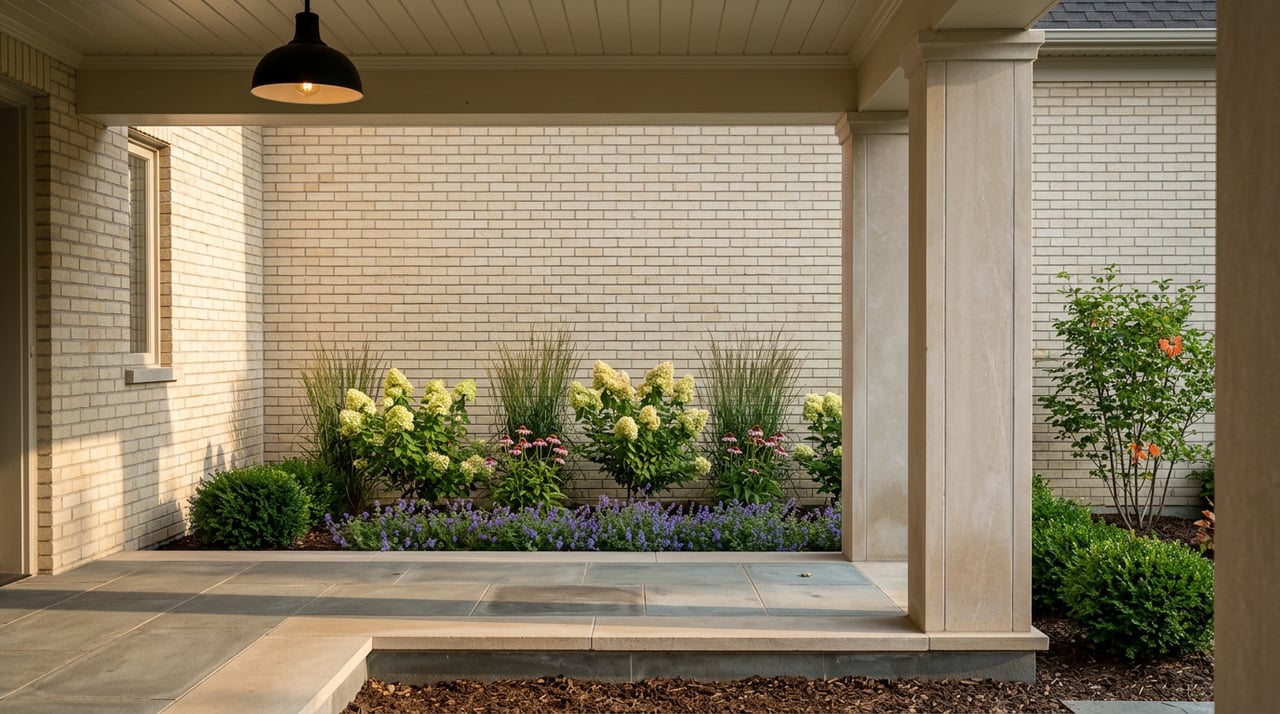
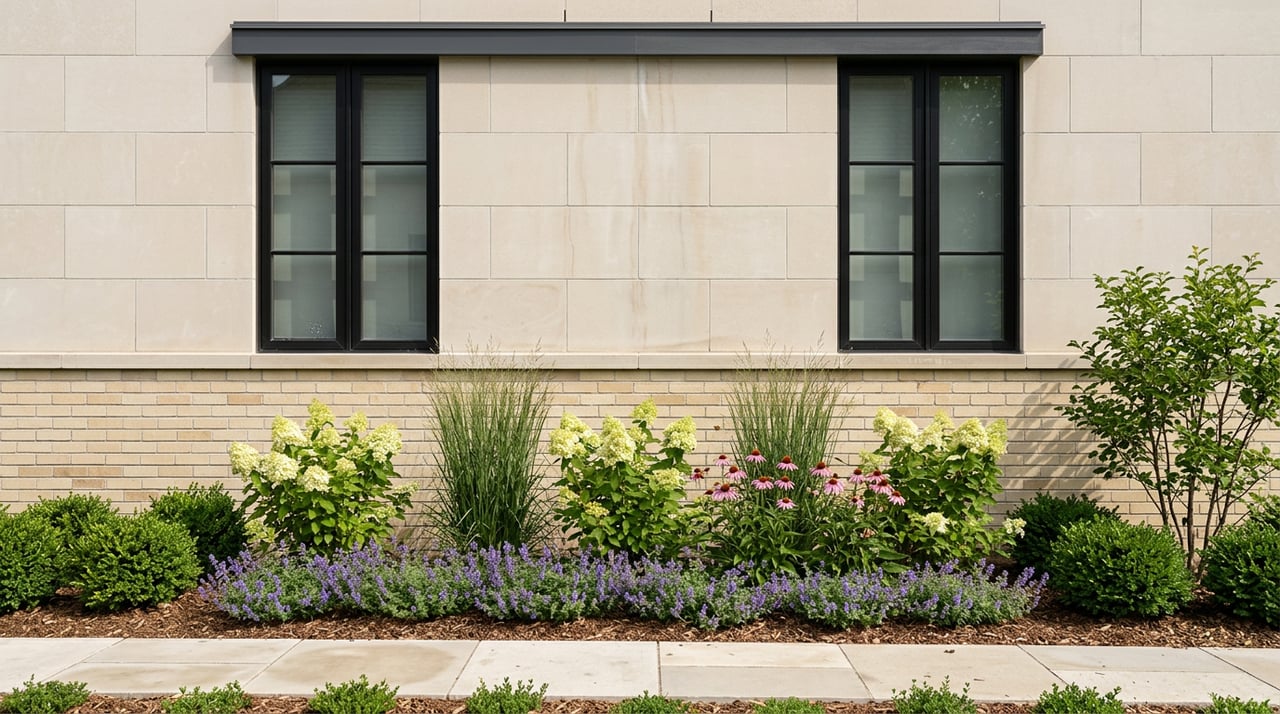
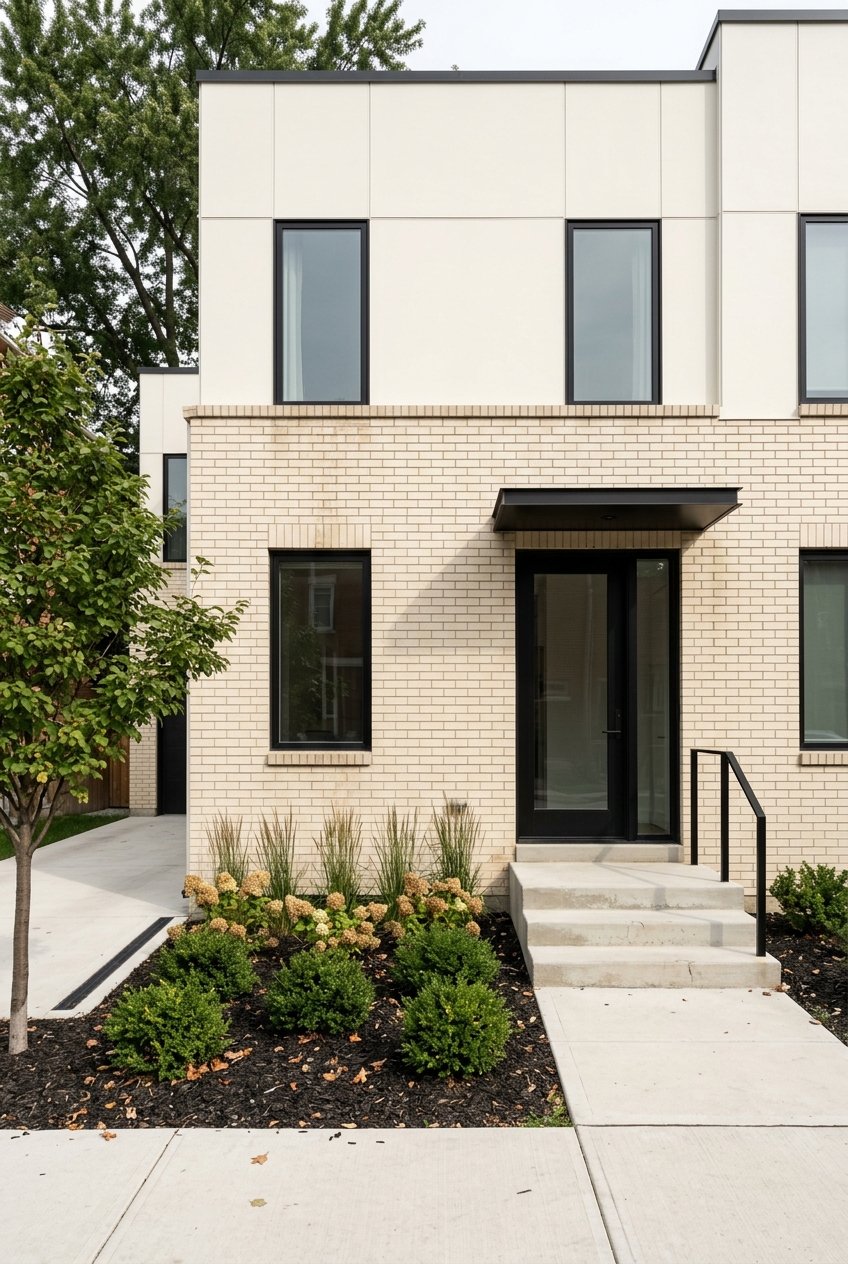
- Refresh landscaping and entry details for a cleaner first impression
- Simplify décor so architectural details and finishes can stand out
You do not need to make your home look empty or generic. You want it to feel polished, well cared for, and easy for buyers to understand.
Prep Village homes differently
If your home is in or near the Village area, character should be part of the story. Zionsville’s planning and design guidance puts clear value on historic, small-scale charm, and that context matters when buyers evaluate homes in that setting.
In practical terms, your goal is to showcase original or distinctive details without letting the home feel worn or overly busy. Buyers should see charm and intention, not deferred maintenance or visual clutter.
Highlight historic character
For Village-area homes, pay close attention to features like brick, porches, windows, trim, and the front approach. These elements help reinforce the setting and can create a strong emotional connection when they are clean and well presented.
If the home has older details, let them lead. Avoid covering character with too much trendy styling. Instead, use simple furnishings and restrained décor to help the home feel timeless.
Be thoughtful with exterior changes
Zionsville’s design oversight matters in the downtown village business district, where ZARC administers façade guidelines and substantial façade restoration or repair within that program requires approval before work starts. If your property falls into an area where design review may apply, thoughtful planning matters.
Even when formal approval is not part of your project, the broader lesson still fits. Preserve the details that make the home feel connected to the Village, and focus on polish rather than overcorrection.
Make newer builds feel distinct
If you are selling a newer home in Zionsville, your challenge is often different. Buyers may be comparing several homes with similar layouts, finishes, or square footage, so your home needs to feel especially clear, functional, and well maintained.
Zionsville’s comprehensive plan notes that newer neighborhoods should maintain compatibility with Village scale while using modern materials and practices. NAR also notes that buyers pay close attention to energy-efficient upgrades, flexible spaces, smart-home features, and usable outdoor areas.
Show function clearly
In newer homes, bonus rooms, home offices, lofts, and open flex spaces should have a defined purpose. If buyers have to guess how a room works, the value of that square footage can get lost.
Give each space a clear identity. A small upstairs nook should read as a work area or reading space, not a storage zone. A finished lower level should feel intentional, not like leftover space.
Let storage and outdoor living shine
Storage matters, especially in move-up and relocation searches. Pantries, mudrooms, built-ins, and garage organization can all support a stronger impression when they look clean and useful.
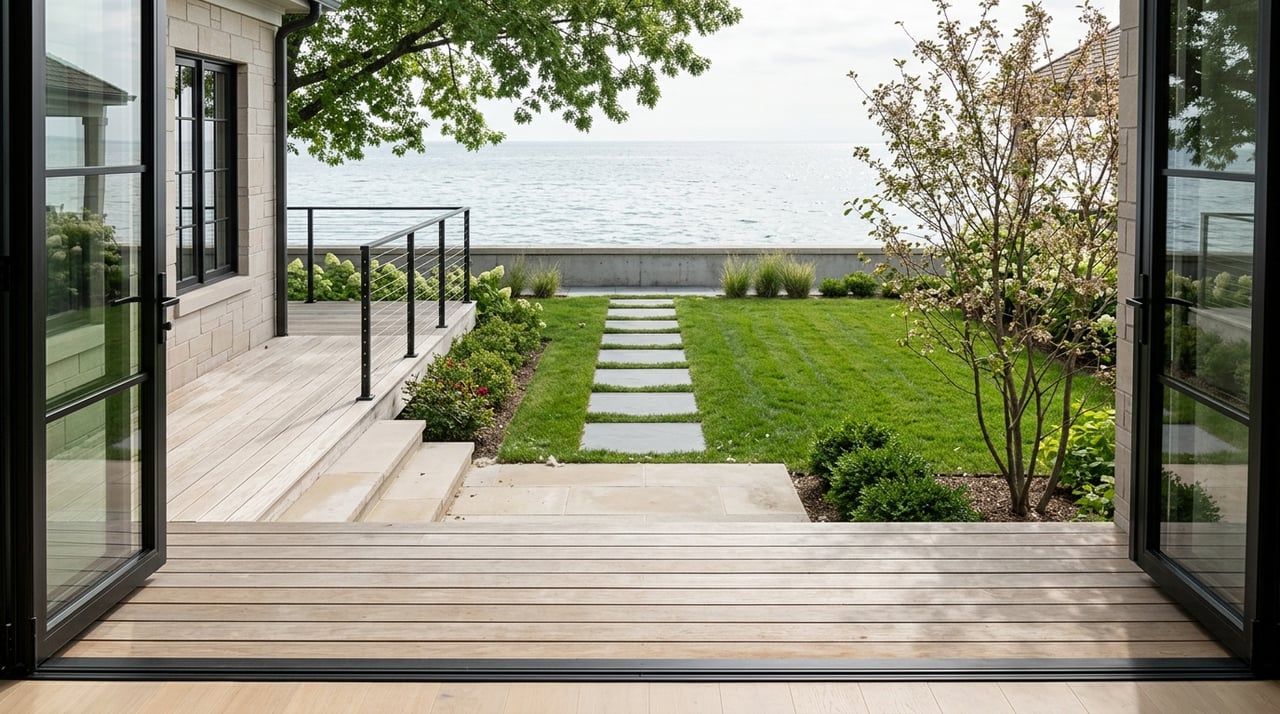
Outdoor living also deserves attention. Patios, decks, and backyards should feel maintained and ready to use, even with a simple setup. Clean lines, trimmed landscaping, and a tidy seating area can help buyers imagine everyday life there.
How much staging is enough?
The right amount of staging depends on your home’s condition, layout, and price point, but most sellers do not need to stage every inch of the property. In many cases, a selective approach creates the best balance.
Start with the rooms that shape first impressions and support pricing: the living room, primary bedroom, dining room, kitchen, and entry. Then address any problem spaces that feel small, dark, empty, or confusing.
Good staging is not about adding more. It is about editing what is already there, improving flow, and helping buyers understand the home quickly. In Zionsville, where presentation often carries real weight, even light staging can make a meaningful difference.
Your pre-listing checklist
Before your photo shoot and first showings, work through this short checklist:
- Open blinds and maximize natural light
- Deep clean floors, surfaces, kitchens, and baths
- Remove excess furniture that makes rooms feel smaller
- Put away personal photos, mail, calendars, and documents
- Store jewelry, medications, firearms, and valuables securely
- Clear counters, shelves, and refrigerator fronts
- Organize closets, pantry areas, and storage spaces
- Refresh key rooms with neutral, simple styling
- Tidy landscaping, porch areas, and the front entry
- Make sure the home will match the photos when buyers arrive
A standout sale usually starts with a clear plan. If you want thoughtful guidance on pricing, presentation, staging, and how to position your Zionsville home for today’s buyers, connect with homesofworth.com.
FAQs
What updates help a Zionsville home stand out most before listing?
- The biggest visual payoff usually comes from better lighting, neutral paint where needed, deep cleaning, streamlined furniture, organized storage, refreshed landscaping, and fixing worn or distracting finishes.
How much staging does a Zionsville seller usually need?
- Most sellers do best with focused staging in the living room, primary bedroom, dining room, and other high-impact spaces, plus any rooms that feel empty, dark, or hard to understand.
What should you remove before a Zionsville listing photo shoot?
- Remove personal photos, mail, calendars, visible documents, magnets, extra countertop items, clutter, jewelry, medications, firearms, and anything that distracts from the home itself.
How should you prepare a Village-area home in Zionsville for sale?
- Emphasize character features like porches, brick, windows, and trim, keep styling simple, and focus on polish so the home feels charming and well cared for rather than dated.
How can a newer Zionsville home feel different from similar listings?
- Define each flexible space clearly, highlight storage, show outdoor living areas well, and make the home feel clean, functional, and easy to picture using right away.