If you want a town center where you can grab coffee, browse local shops, head to a park, and stay connected to everyday routines without constantly getting in the car, Zionsville’s Village stands out. For many buyers and sellers, that blend of charm and convenience is exactly what makes this part of town so appealing. Here’s a closer look at what Village living in Zionsville actually feels like, from walkable streets and local businesses to parks, schools, and housing style. Let’s dive in.
Why the Village feels distinct
The Village is the historic and cultural heart of Zionsville. Town planning materials identify it as the central business district and point to its brick streets and historic buildings as a core part of the town’s identity.
That identity is not just about appearance. The town is also advancing Main Street Momentum, a plan focused on improving traffic flow, pedestrian safety, and access through the Village. For you, that means the area’s walkable character is not an afterthought. It is a priority.
Walkability in daily life
Walkability in the Village goes beyond one main shopping street. Zionsville’s wayfinding materials say the town has more than 20 miles of interconnected paved pathways, and downtown users can reach trails and parks in about a five-minute walk.
Many parks are also within walking distance of the town’s major shopping areas. That creates a daily rhythm that feels practical as well as pleasant, whether you are meeting a friend for coffee, taking a stroller out for a walk, or fitting in some outdoor time before dinner.
Zionsville has also been recognized as a Tree City USA community for more than 20 years and as a Bronze Bicycle Friendly Community. Those designations support what many visitors notice right away: the Village is designed to be experienced at a human pace.
Shops and dining on Main Street
One of the biggest draws of Village living is the local business scene. Main Street Zionsville describes the area as a place for unique shops, restaurants, coffee, sweets, and community events, with preservation efforts that help maintain its historic commercial character.
In practical terms, that means you get variety without losing the small-town feel. Shop listings include art galleries, bookshops, bakeries, floral shops, boutiques, home décor stores, jewelry, and specialty gift shops.
Dining choices are broad for a town center of this size. Options range from French and Italian to breakfast and brunch, coffee, burgers, bagels, ice cream, seafood, pizzerias, and Tex-Mex.
If you are comparing Zionsville to other suburban locations, this is often where the Village separates itself. It offers a true downtown-style experience, but in a setting that still feels closely tied to residential neighborhoods.
Seasonal events shape community life
The Village is not only active because of its storefronts. Seasonal events are a big part of how people experience the area throughout the year.
The town’s farmers market began in 1997 and is described as drawing visitors from near and far to historic Main Street. Winterfest includes an Open-Air Maker’s Market on Brick Main Street, and Christmas in the Village centers on a parade route that starts at Eagle Elementary and ends on Main Street.
That overlap matters. It gives the Village a lived-in feeling rather than a purely commercial one. You are not just visiting a shopping district. You are stepping into a part of town that connects daily routines, traditions, and public gathering spaces.
Schools near the town core
For buyers who want to understand how the Village fits into everyday routines, schools are part of the picture. Zionsville Community Schools serves Eagle and Union townships and includes nine schools.
The public schools most directly tied to the town core include Eagle Elementary at 350 N. Sixth Street, Zionsville Middle School at 900 N. Ford Road, and Zionsville Community High School at 1000 Mulberry Street. The Christmas in the Village parade beginning at Eagle Elementary is one example of how school life and Village life intersect.
When you are evaluating a location, it helps to look at how connected the community feels. In the Village, schools, public events, parks, and Main Street activity all operate in close relationship to one another.
Parks and trails add everyday convenience
Village living is also tied closely to outdoor access. Zionsville has more than 800 acres of parkland and more than 20 parks, which gives the town a strong network of public green space.
Lions Park sits immediately next to the Village center, making it one of the easiest recreational assets to reach from downtown. Creekside Nature Park is across Sycamore Street from Lions Park and offers a canoe and kayak launch along with accessible pathways.
Starkey Nature Park is about a quarter-mile southwest of the Village and connects to the Big-4 Rail Trail. That trail forms the five-mile central spine of Zionsville’s over-20-mile paved trail network.
For many buyers, this is a major quality-of-life advantage. You can enjoy a more connected, walkable setting while still having quick access to trails, nature areas, and park space woven into the town’s layout.
Housing style in the Village area
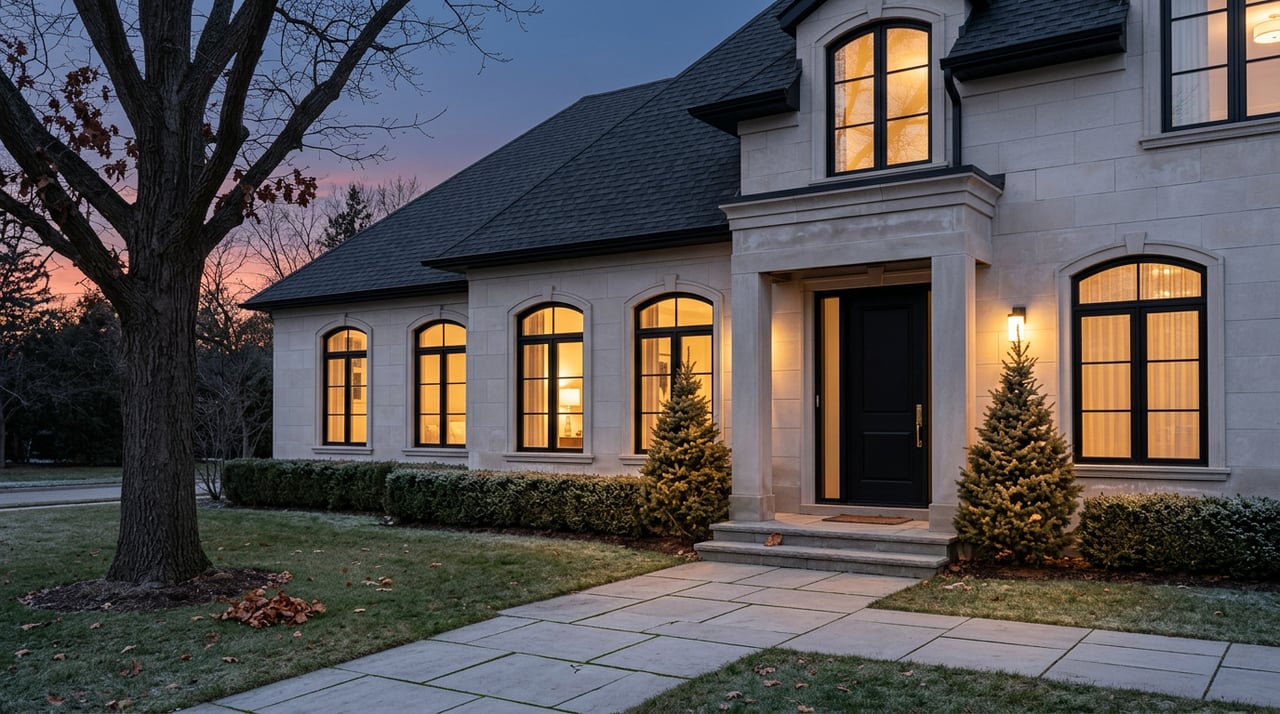
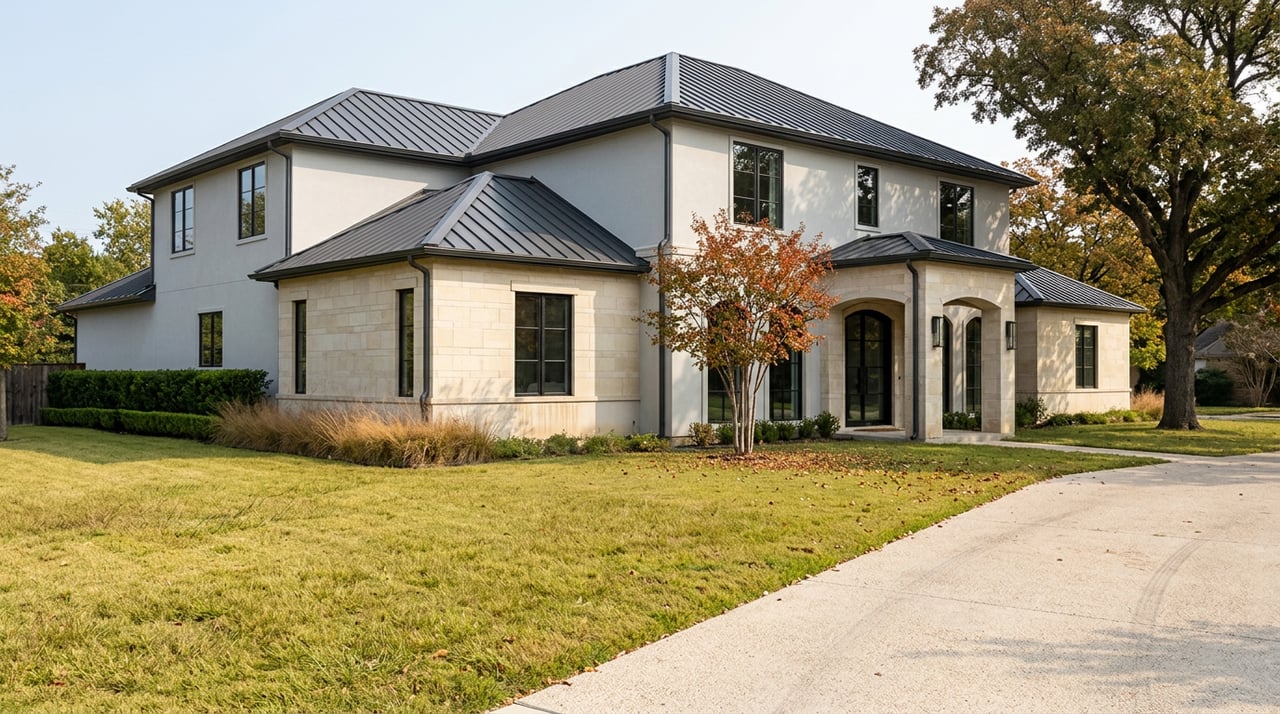
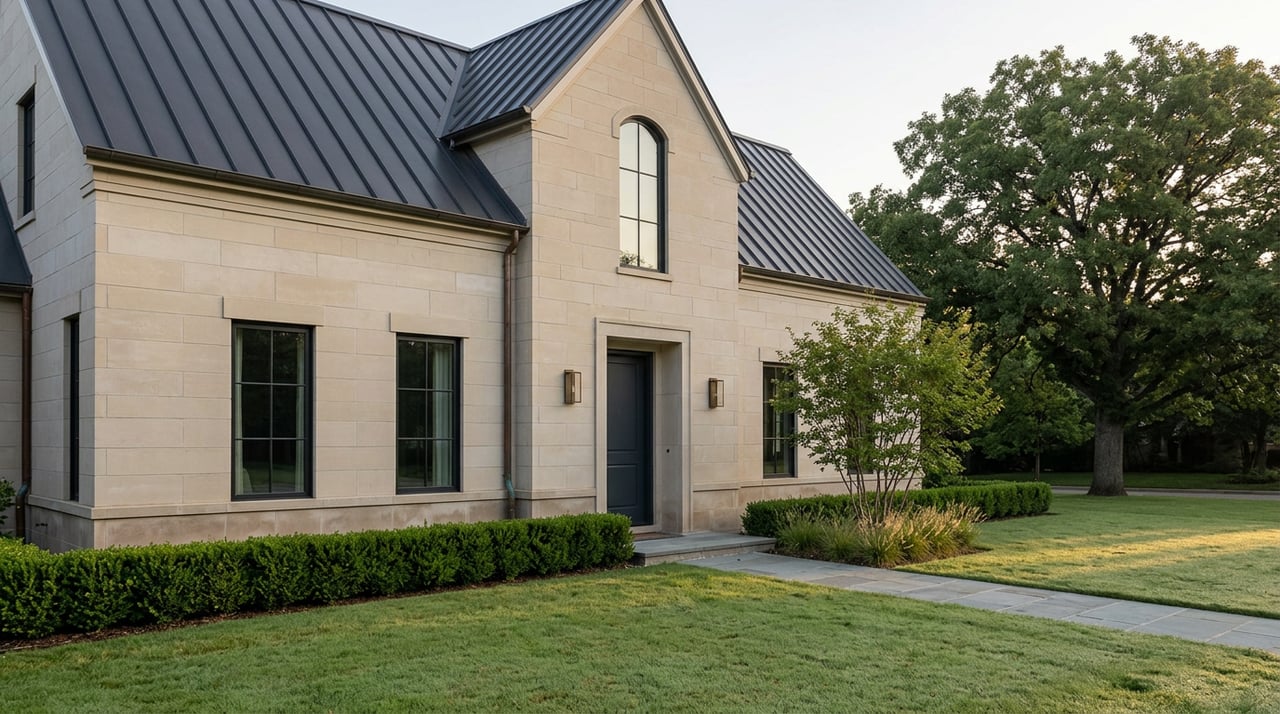
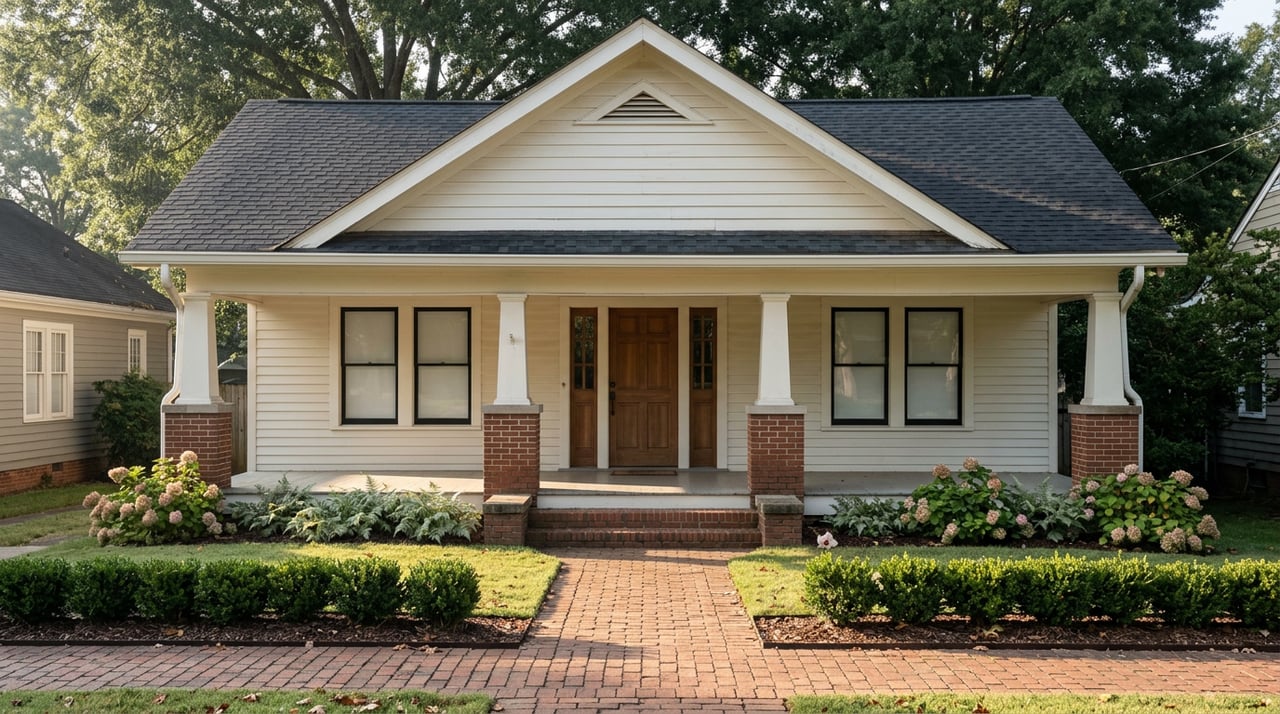
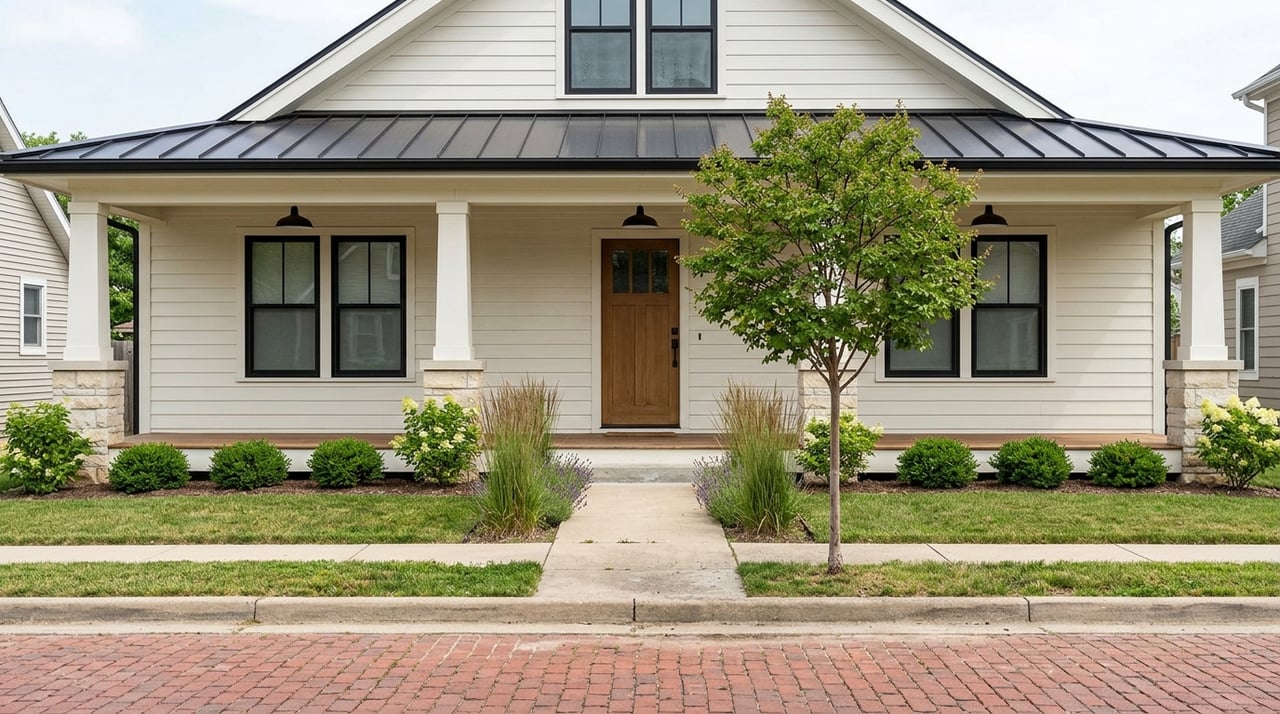
The Village does not offer just one type of home. Town planning materials describe the Village Residential district as a mix of single-family detached homes, townhomes, and duplexes arranged around walkable blocks and integrated open spaces.
That mix is part of the area’s appeal. Rather than feeling uniform, the Village and surrounding neighborhoods are described as reinforcing Main Street through traditional street patterns, mature trees, and homes that connect back to the town center.
If you are moving from a more typical suburban subdivision, this part of Zionsville may feel more layered and character-rich. If you are selling here, that same sense of place can be an important part of how your home is presented to buyers.
What pricing looks like
Zionsville sits in a premium price range, though exact figures vary depending on the source and timing. Recent market snapshots show a March 2026 median sale price of $800,000 from Redfin, a Zillow average home value of $668,273 and median sale price of $776,101 through September 2025, and a Realtor.com median listing price of $750,000 for ZIP code 46077.
Because these sources use different methods and time frames, it is best to treat them as a range rather than one exact number. The broader takeaway is clear: if you are buying or selling in Zionsville, especially near the Village, market positioning and neighborhood-specific guidance matter.
Who Village living may suit best
Village living can be a strong fit if you want more connection between home, errands, dining, and outdoor space. It may also appeal if you value historic character, local businesses, and a town center that feels active across seasons.
For buyers, the key is understanding which pocket of the Village area best matches your lifestyle, housing needs, and budget. For sellers, the opportunity often lies in highlighting not just the home itself, but also the experience of living near brick streets, parks, trails, and Main Street amenities.
Why local guidance matters
In a place like Zionsville, small differences in location can shape your day-to-day experience. A home near the Village may offer a different feel than one farther out, even within the same town.
That is why neighborhood context matters so much. When you understand the mix of housing styles, access points, parks, shopping, and the rhythm of community life, you can make a more confident move whether you are buying, selling, or relocating.
If you are thinking about a move in Zionsville and want thoughtful guidance on the Village and surrounding neighborhoods, homesofworth.com can help you explore your options with clarity and precision.
FAQs
What is the Village in Zionsville known for?
- The Village is known as the historic and cultural heart of Zionsville, with brick streets, historic buildings, local shops, restaurants, and community events centered around Main Street.
How walkable is Village living in Zionsville?
- Zionsville has more than 20 miles of interconnected paved pathways, and town materials say downtown users can reach trails and parks in about a five-minute walk.
What shops and restaurants are in Zionsville Village?
- The Village includes a mix of boutiques, bakeries, art galleries, bookshops, floral shops, home décor stores, jewelry shops, coffee spots, and restaurants offering a wide range of cuisines.
What parks are near downtown Zionsville?
- Parks near the Village include Lions Park, Creekside Nature Park, and Starkey Nature Park, with access to the Big-4 Rail Trail and the broader town trail network.
What schools are near the Zionsville town core?
- Public schools tied most directly to the town core include Eagle Elementary, Zionsville Middle School, and Zionsville Community High School.
What types of homes are in the Village area of Zionsville?
- Town planning materials describe the area as including single-family homes, townhomes, and duplexes arranged around walkable blocks and open spaces.
What is the typical home price range in Zionsville?
- Recent market snapshots place Zionsville in a premium price band, with reported figures ranging from about $668,273 in average home value to median sale or listing prices between roughly $750,000 and $800,000 depending on the source and period measured.