Are you picturing quiet mornings on Geist or wondering if the lower‑maintenance path off the water is smarter? If you are weighing lifestyle against long‑term costs, you are not alone. Many buyers in Fishers compare the excitement of direct lake access with the predictability of nearby off‑water homes. This guide breaks down costs, upkeep, resale, and regulations so you can decide with confidence. Let’s dive in.
What “waterfront” means in Fishers
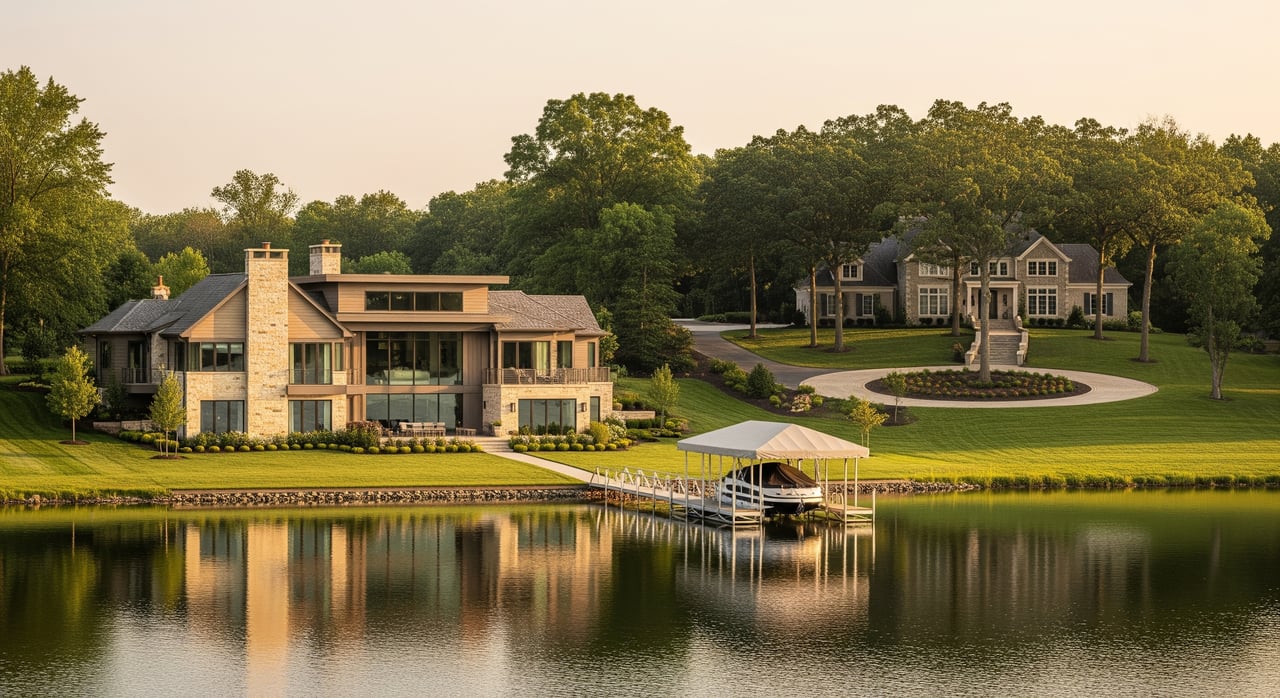
In Fishers, “waterfront” typically means a home with direct, private shoreline on Geist Reservoir and often a private dock. Some homes have a water view or are near the lake but do not touch the shoreline. Other neighborhoods offer shared or community access, such as association docks or nearby marinas. It helps to confirm riparian rights and access language in the deed before you write an offer.
Pricing and resale: what to expect
Waterfront homes usually carry a premium over similar off‑water homes. National research often cites a 10 to 40 percent premium, though actual numbers in Fishers depend on supply, condition, and the specific lot and view. Local market scarcity, especially true private shoreline, is a major driver.
Value on Geist is shaped by several factors:
- Direct water access and private docks
- View quality, such as wide‑open water vs. cove or obstructed views
- Lot orientation and shoreline frontage, including sought‑after sunset exposure
- Seawalls, dock upgrades, terraces, and water‑focused landscaping
On resale, waterfront can appreciate well but may attract a narrower buyer pool. That sometimes means longer market times if conditions soften. Off‑water homes typically appeal to a broader audience, which can support steadier liquidity and more predictable appraisals.
Maintenance and ongoing costs
Waterfront living comes with specialized upkeep. You will want to plan for dock inspections, seasonal maintenance, and eventual replacement. Seawall or retaining wall repairs and erosion control can be material expenses when needed. Many owners also budget for moisture and pest prevention, landscaping on larger lots, and seasonal boat storage or winterization.
Off‑water homes remove many of these line items. You will focus on standard roof, HVAC, siding, and lawn care. If you are in an HOA with shared lake access, fees may cover some community amenities and upkeep, though you should confirm what is included.
Practical tip: ask for maintenance records on docks, seawalls, and any shoreline work. Clear documentation increases buyer confidence and reduces surprises during inspection.
Access and lifestyle tradeoffs
The core advantage of waterfront is daily access to boating, fishing, paddle sports, and year‑round water views. It is a lifestyle choice that often becomes the center of how you entertain and relax. Off‑water owners may use community access points or marinas when they want time on the water but enjoy lower everyday maintenance.
Near Geist, you will also find parks, trails, dining, and retail within convenient reach of both waterfront and nearby neighborhoods. Consider noise and activity patterns in peak summer months and how you plan to use the property year‑round. Privacy can vary by shoreline and lot layout, so walk the property at different times of day if possible.
Insurance, permits, and financing
Flood risk is a key checkpoint. If a property lies within a FEMA Special Flood Hazard Area, most lenders will require flood insurance. Even outside mapped zones, proximity to water can influence insurance recommendations and premiums. Your lender and insurance agent can estimate policy requirements early in the process.
Docks, seawalls, dredging, and similar shoreline work often require permits or approvals. Plan to coordinate with City of Fishers departments, Hamilton County offices, and the Indiana Department of Natural Resources for rules and setbacks. If your home is in an HOA, review any restrictions on dock design, boat sizes, or colors before you plan improvements.
Financing can be straightforward, but appraisals may take extra care due to limited true waterfront comparables. Lenders familiar with waterfront transactions can help navigate valuation and insurance details.
Property taxes reflect assessed value. Waterfront parcels often carry higher assessments, which can translate to higher taxes. Check the Hamilton County Assessor and GIS records for parcel history and trends.
Which fits you? Quick decision guide
Choose waterfront if you:
- Want direct, private lake access and daily water views.
- Are comfortable budgeting for dock, seawall, and seasonal costs.
- Value a unique lot or view that you plan to enjoy long term.
Choose off‑water if you:
- Prefer lower maintenance and insurance costs.
- Still want access to the lake through community facilities or marinas.
- Want broader resale appeal and more predictable comparisons.
Next steps for either path:
- Request recent local comps for your target neighborhoods.
- Review deed language for water rights, setbacks, and easements.
- Estimate annual insurance, maintenance, and HOA fees.
- Confirm flood zone status and any required permits for planned upgrades.
Buyer due diligence checklist
- Confirm if the parcel is true waterfront, water‑view, or shared‑access only, and get the exact deed language.
- Verify FEMA flood zone status and ask about any past water or flood events.
- Review maintenance records for docks and seawalls and any engineering reports.
- Read HOA rules, fees, and special assessments related to lake access.
- Compare recent waterfront and off‑water sales within the immediate micro‑market.
- Price out annual costs: homeowners and flood insurance, dock upkeep, landscaping, and property taxes.
- If financing, ask your lender about waterfront appraisal needs and insurance conditions.
Selling near Geist? Prep to win
Gather shoreline documents before listing. That includes surveys that show frontage, permits, and maintenance history for docks and seawalls. Consider cost‑effective updates that highlight the water, like dock repairs, fresh decking, or view‑oriented landscaping, after confirming what is permitted. Build pricing around real comps and the current condition of your shoreline improvements. Buyers will factor deferred maintenance into offers and timelines.
Your next step in Fishers
Whether you are leaning toward a private dock on Geist or a lower‑maintenance home nearby, a precise plan makes the difference. You deserve clear comps, accurate cost estimates, and guidance on permits and insurance before you act. Connect with the local team that pairs market intelligence with design‑forward presentation to help you move with confidence. Start the conversation with Homes of Worth to book a free consultation.
FAQs
How much more do Fishers waterfront homes cost vs off‑water?
- National analyses often show a 10 to 40 percent premium for true waterfront, but actual differences near Geist vary by lot, view, dock rights, and current supply.
Do you need flood insurance for a Geist waterfront home in Fishers?
- If a property is in a FEMA Special Flood Hazard Area, lenders usually require flood insurance; even outside mapped zones, insurers and lenders may recommend coverage.
What permits are needed to add or modify a dock on Geist?
- Shoreline work typically needs approvals from City of Fishers or Hamilton County and may involve Indiana DNR; HOAs can add design rules, so review all layers before planning.
Can off‑water Fishers homes near Geist use shared docks?
- Some neighborhoods offer community docks or access points, but availability and rules vary; confirm HOA documents and deed language for exact rights.
What affects resale for waterfront vs off‑water homes around Geist?
- Waterfront resale is driven by direct access, view quality, frontage, and shoreline improvements, while off‑water homes benefit from broader buyer pools and predictable comps.
How do property taxes compare on Geist waterfront properties in Fishers?
- Waterfront parcels often have higher assessed values, which can mean higher taxes; check the Hamilton County Assessor and GIS for parcel‑specific history.