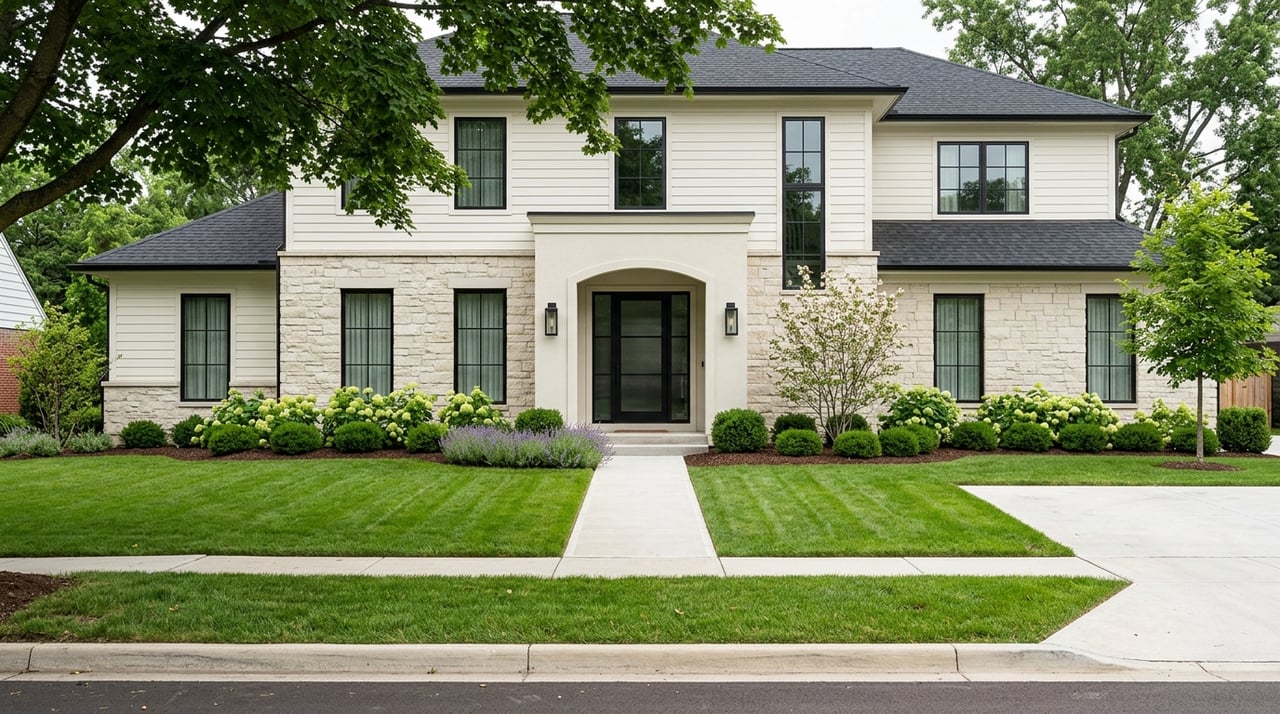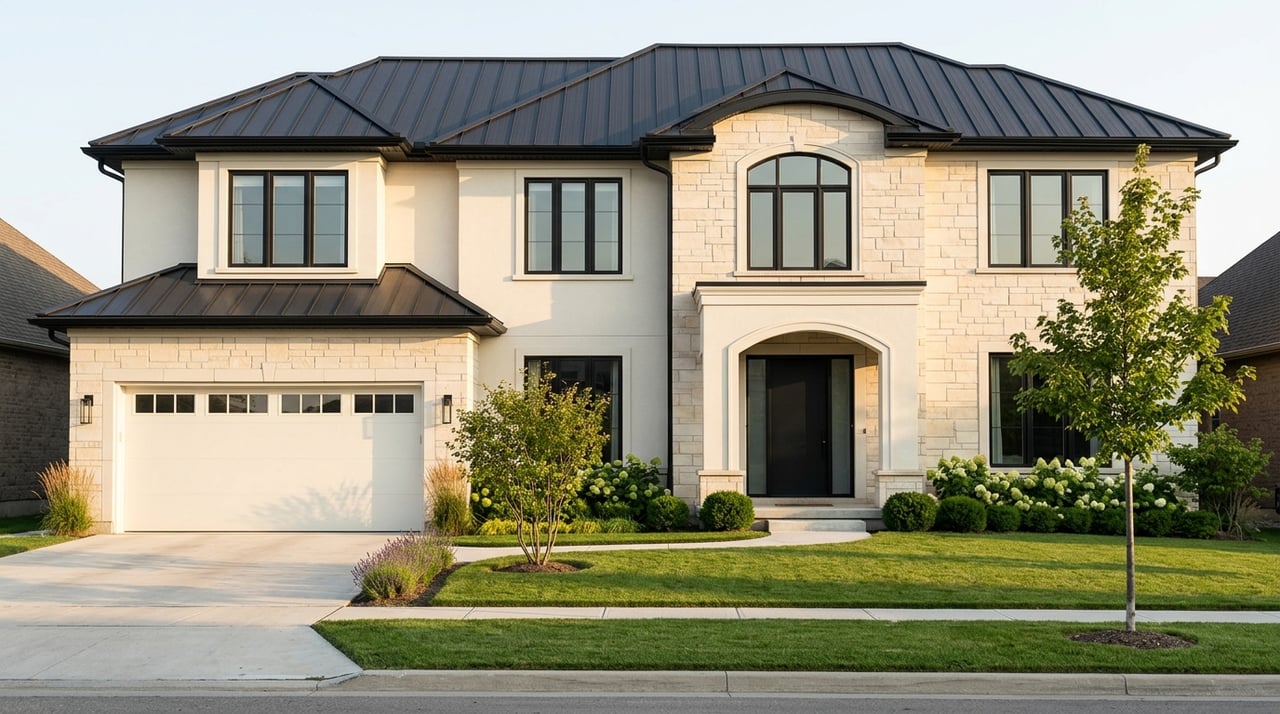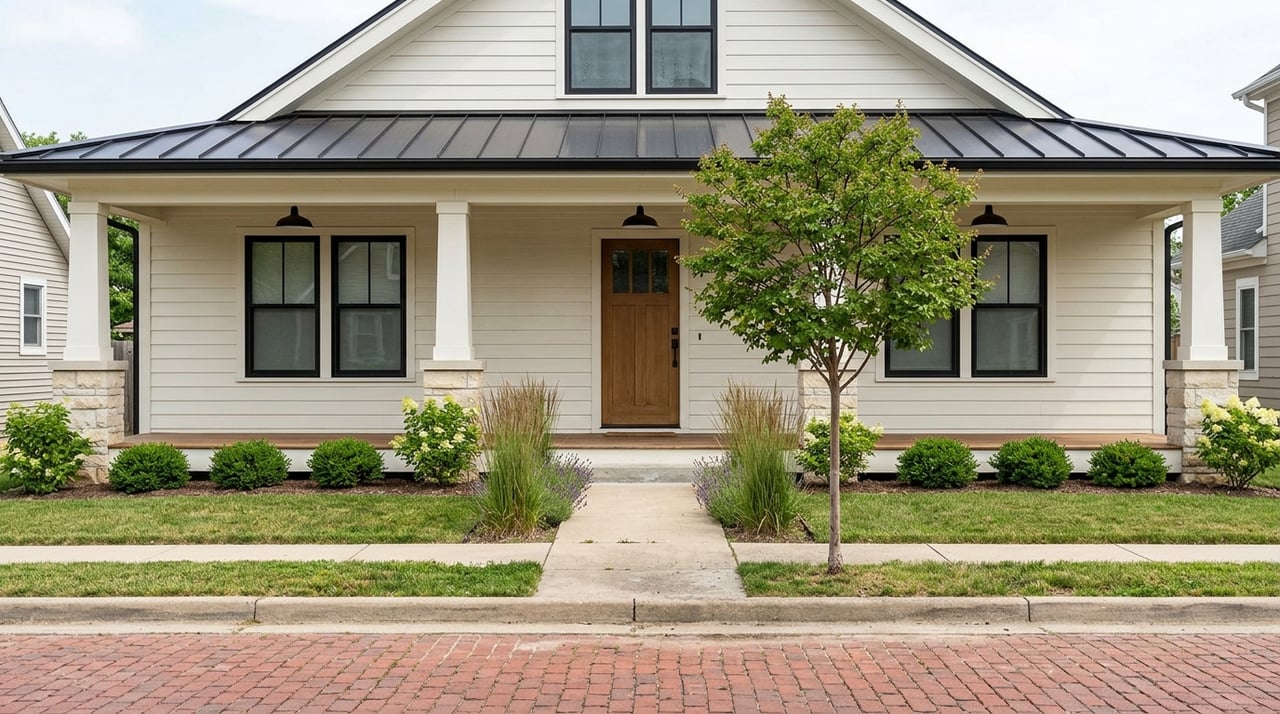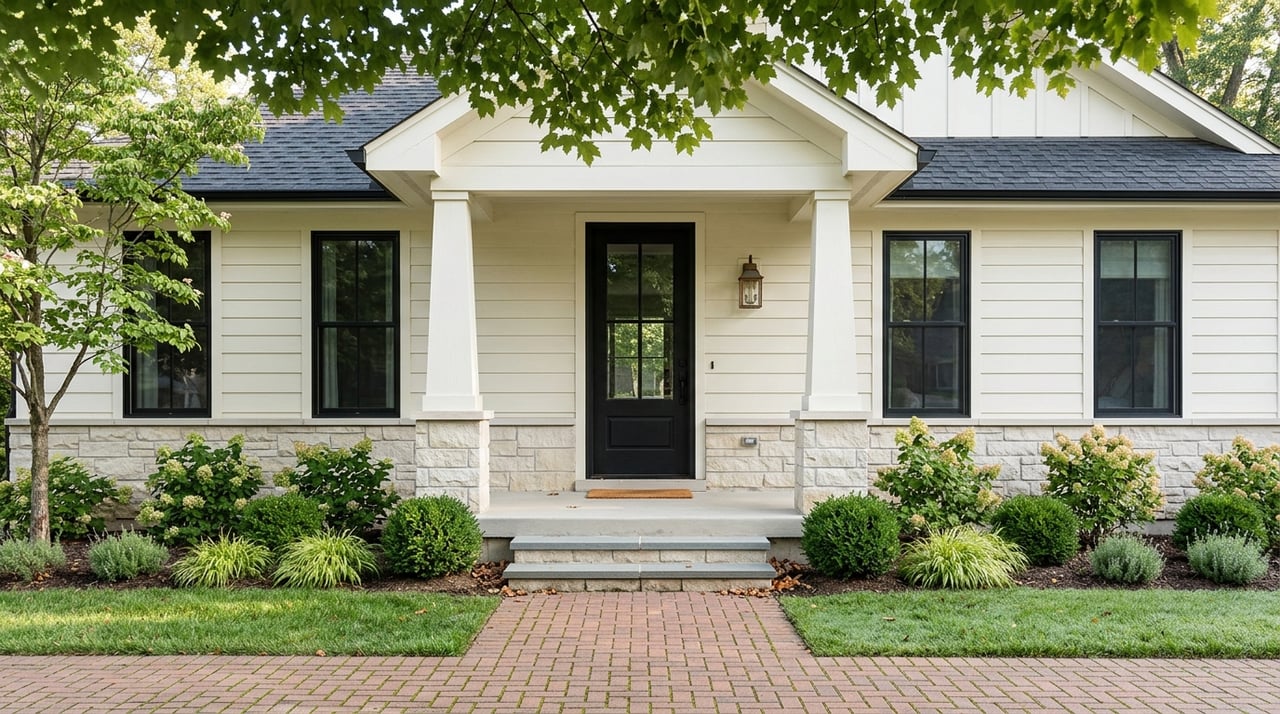
Wondering what life in Zionsville actually feels like once the moving boxes are gone? That is often the real question behind any home search, especially if you want a town that feels active, connected, and easy to settle into. In Zionsville, daily life tends to center on simple routines like school drop-offs, coffee runs, trail walks, errands, and dinner in town, all set against a backdrop of parks, seasonal events, and a historic Village core. Let’s dive in.
What Daily Life Feels Like in Zionsville
Zionsville is a growing town of about 33,624 residents, and its day-to-day rhythm feels shaped by both family routines and community amenities. About 25.9% of residents are under 18, and 84.2% of homes are owner-occupied, which helps explain why the town often feels rooted in long-term living patterns.
Instead of functioning like one dense urban center, Zionsville moves through a series of familiar hubs. The Village, local parks, trails, schools, and newer mixed-use areas all play a role in how people spend their time during the week and on weekends.
The Village Sets the Pace
The Village is the historic and cultural heart of Zionsville, and it shapes a big part of the town’s social rhythm. Town planning materials describe it as a pedestrian-scale district with brick streets, historic buildings, and surrounding neighborhoods that connect directly to Main Street.
For you, that often means the Village works best as a walk-first destination. Rather than hopping from parking lot to parking lot, you are more likely to spend your time strolling, browsing boutiques, stopping for a meal, and enjoying public spaces at a slower pace.
The town also highlights restaurants, shops, galleries, and gathering spots in this area. Zionsville’s DORA system adds another layer to the experience by allowing approved drinks within downtown boundaries during set hours, which supports a more relaxed evening and weekend outing pattern.
Why the Village Matters Day to Day
If you are trying to picture everyday life, the Village is where Zionsville feels most distinct. It blends historic character with practical daily use, so it is not just a backdrop for events. It is part of the routine.
The town is also moving forward with Main Street Momentum, a project designed to improve traffic flow, pedestrian safety, and access through the historic Village corridor. That tells you the community is actively investing in making this core area work even better for regular use.
Trails and Parks Are Part of the Routine
One of the clearest signs of how people actually live in Zionsville is the town’s trail and park network. The Big-4 Rail Trail serves as a 5-mile central spine within more than 20 miles of interconnected paved pathways, linking residents to trailheads, parks, and other everyday destinations.
This is not just a system for occasional recreation. It supports repeat, practical use, whether that means a morning walk, an after-school bike ride, a dog walk, or a quick outing before dinner.
Several parks add different kinds of daily value across town:
- Heritage Trail Park includes a dog park, community gardens, pickleball courts, a playground, and direct rail-trail access.
- Mulberry Fields offers paved paths, athletic fields, a skate park, and a splash pad.
- Starkey Nature Park adds hiking access.
- Overley-Worman Park and Carter Station expand trail and park connections.
- Lincoln Park includes a gazebo used for summer concerts, weddings, and community events.
Outdoor Living in Every Season
In some towns, outdoor amenities matter most a few months a year. In Zionsville, they stay part of the lifestyle across the calendar, even though the way people use them changes with the season.
During warmer months, parks and trails support casual, repeat use. You might spend a Saturday at the farmers market, head to a splash pad or playground, or use the rail trail for a walk or bike ride before meeting friends in the Village.
In winter, outdoor life shifts into shorter, event-based outings. Winterfest runs from December through February and includes an open-air maker’s market on Brick Main Street, Christmas in the Park, and luminary walks in parks like Creekside Nature Park, Overley-Worman Park, and Elm Street Green.
Weekdays Often Revolve Around School and Civic Spaces
For many households, the weekday rhythm in Zionsville is shaped by school schedules and community institutions. Zionsville Community Schools serves more than 8,000 students across nine schools, which makes school calendars, open houses, activities, and daily drop-off patterns part of the town’s annual and weekly cadence.
The Hussey-Mayfield Memorial Public Library’s Zionsville branch also functions as a civic hub. It offers teen programming, study rooms, digital resources, a Nature Center inside the library, and borrowable items like Adventure Backpacks that include an Indiana State Park pass.
That mix gives Zionsville more than just residential appeal. It creates everyday places where people gather, learn, and spend time without needing a major outing.
Zionsville Balances Walkability and Short Drives
One of the most useful things to understand about Zionsville is that walkability depends on where you are. The Village is the clearest walkable core, while many outer routines still involve short drives to schools, parks, and commercial areas.
That pattern fits what the town’s planning materials emphasize: a historic downtown, connected public spaces, and newer amenity nodes outside the core. The Census Bureau reports a mean travel time to work of 22.7 minutes, which also supports the idea that many households balance local living with a broader regional commute.
Newer Convenience Pockets Are Growing
Outside the Village, newer amenity areas are adding convenience to everyday life. Creekside Corporate Park notes that it is a short walk from the Village’s brick street and nearly adjacent to the new South Main Street development, which includes retail spaces, service providers, and eateries.
For buyers relocating from either a denser city area or a newer suburb, this matters. Zionsville is not trying to be fully urban, but it is also not frozen in time. It is gradually adding more connected places for errands, dining, and services while keeping its established town character.
Seasonal Events Keep the Town Feeling Active
Another reason Zionsville feels lived-in rather than just planned-out is its steady community programming. The town calendar creates natural touchpoints throughout the year, which helps the community stay active without feeling rushed.
In spring, Greenfest at Heritage Trail Park combines an Earth Day and Arbor Day theme with a native plant sale and environmental education. In early summer, Party in the Park at Mulberry Fields brings together the splash pad, food trucks, music, and family activities.
Through the warmer months, the Zionsville Farmers Market runs on Main Street on Saturdays from mid-May through the end of October, according to the parks master plan. The market has been drawing visitors from town and beyond since 1997, which makes it part of the area’s recurring seasonal rhythm rather than a one-off event.
Who Tends to Feel at Home Here
Zionsville often appeals to people who want a blend of character and convenience. If you value a historic town core, repeat outdoor routines, community events, and a lifestyle built around local amenities rather than nonstop activity, this setting can feel like a strong fit.
It can also work well if you want your home search to consider more than square footage alone. In a town like this, where you live affects how often you can walk to the Village, how easily you access trails and parks, and how your daily routine feels over time.
What This Means for Buyers and Sellers
If you are buying in Zionsville, it helps to think beyond the listing photos and ask how a home fits your real routine. Do you want easier access to the Village, quick park options, a trail connection, or a location that makes weekday logistics simpler?
If you are selling, understanding how people actually use Zionsville can help shape stronger positioning. Buyers are often responding not just to the house itself, but to the lifestyle around it: morning walks, Main Street evenings, seasonal events, and the practical ease of everyday living.
That is where local context matters. A thoughtful real estate strategy should connect the home to the way people live in the town, not just describe features room by room.
If you are considering a move in Zionsville, homesofworth.com can help you evaluate neighborhoods, timing, and home presentation with clear local guidance and a relationship-first approach.
FAQs
What is everyday life like in Zionsville, Indiana?
- Everyday life in Zionsville often centers on school schedules, local errands, coffee or dining in the Village, trail use, park visits, and seasonal community events throughout the year.
Is downtown Zionsville walkable for daily activities?
- The Village is the most walkable part of Zionsville, with brick streets, restaurants, boutiques, galleries, and public spaces that support strolling and everyday visits.
How do people spend time outdoors in Zionsville?
- Many residents use the Big-4 Rail Trail and the town’s park network for walking, biking, dog outings, pickleball, playground time, hiking, and seasonal events.
Are parks and trails important to life in Zionsville?
- Yes. The Big-4 Rail Trail is a 5-mile central spine within more than 20 miles of interconnected paved pathways, and parks like Heritage Trail Park and Mulberry Fields support regular day-to-day use.
Does Zionsville stay active in winter?
- Yes. Winterfest includes an open-air maker’s market on Brick Main Street, Christmas in the Park, and luminary walks, showing that community activity continues in colder months.
What shapes the weekday rhythm in Zionsville?
- Weekdays are often influenced by school routines, local commutes, library use, errands, and short trips between neighborhoods, parks, and the Village.
Is all of Zionsville easy to walk around?
- Not entirely. The Village is the clearest walkable area, while many daily routines outside the core still depend on short drives to schools, parks, and commercial areas.
Why do buyers look closely at lifestyle in Zionsville?
- Buyers often want to understand how close a home is to the Village, parks, trails, and everyday conveniences because those details can shape daily routines as much as the home itself.