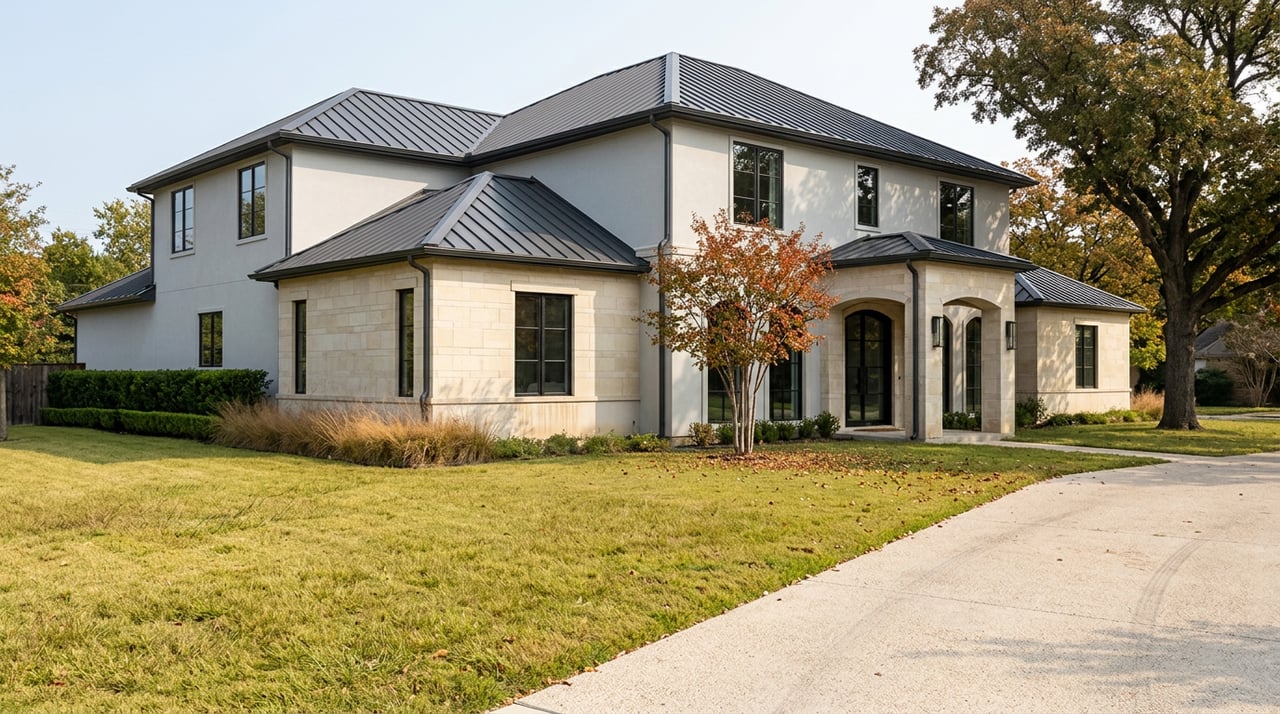
If you need to sell your current home and buy your next one at the same time in Washington Township, you are not alone. It can feel like a puzzle with moving parts, especially when your equity, your timeline, and your housing plans all depend on each other. The good news is that with the right sequence, you can reduce stress, protect your options, and make smarter decisions from the start. Let’s walk through how to plan it.
Start With Financing Clarity
Before you tour homes or pick a list date, get clear on how your next purchase will be funded. The biggest question is simple: do you need money from your current home sale to buy the next one, or can you move forward before that closing happens?
That answer shapes everything else. It affects how strong your offer can be, whether you need a contingency, and how closely your two closings need to line up. CFPB guidance also supports preparing early and shopping for a home loan before you get deep into the process.
Understand the Clark County Timing
Washington Township is in central Clark County and includes New Washington and Nabb. Clark County also benefits from broad transportation access, including interstate connections, rail service, airport proximity, and Ohio River shipping access, which can widen the pool of potential buyers beyond your immediate area.
Market timing still matters, though. In February 2026, Clark County had 2.6 months of inventory, a median sale price of $279,900, median days on market of 17, and homes sold for an average of 97.0% of list price. Inventory was up 30% year over year, and pending contracts were up 50% versus the 6-week trend, which suggests buyers are active but not every home will sell overnight.
Prepare Your Current Home First
If you are trying to buy and sell at the same time, your current home needs to be market-ready early. A fast, clean launch gives you more control over the next step and reduces the chance that your purchase plans get delayed.
This is where price discipline matters. Research cited in the report shows that homes priced 3% to 5% above market can sit longer and often need deeper price reductions later. In a county where median days on market was 17 days, a well-prepared and well-priced listing can stand out faster than an aspirationally priced one.
A smart pre-list plan often includes:
- Decluttering and simplifying each room
- Completing small repairs before showings begin
- Gathering seller disclosure information early
- Reviewing utility details, especially if the home uses well or septic systems
- Setting a pricing strategy based on current market conditions
For many township properties, utility setups can vary. Indiana’s residential seller disclosure form asks about water, sewer, septic, and well systems, so it helps to organize that information before your home goes live.
Decide Which Sequence Fits You
There is no one perfect strategy for every household. The best path depends on your cash position, your tolerance for risk, and how certain you are that your current home will close on time.
Option 1: Sell First, Then Buy
This is often the most conservative route. You sell your current home first, know exactly how much equity you have, and then shop for the next property with clearer numbers.
The tradeoff is timing. You may need temporary housing or a short gap between homes if you cannot find or close on the next property right away. Still, this option reduces financing uncertainty and can make your next offer cleaner.
Option 2: Buy With a Home-Sale Contingency
A home-sale contingency gives you a set period of time to sell your current home before your purchase moves forward. If your home does not sell within that period, the contract can be voided and earnest money may be returned, based on the terms of the agreement.
This can protect you from owning two homes at once. The downside is that sellers may view contingent offers as less attractive, especially if they have other options.
Option 3: Use a Bridge Loan
A bridge loan is a short-term loan, generally 12 months or less, that can help you buy a new home while planning to sell your current one. This can be useful when you have strong equity but need access to it before your sale closes.
The benefit is flexibility. You may be able to move faster on a purchase without waiting for your current home closing, but the costs and approval terms need to be reviewed carefully with your lender.
Option 4: Negotiate a Rent-Back
A rent-back, sometimes called a post-closing occupancy agreement, lets you stay in the home for a short time after closing. This can help when your sale closes before your next home is ready.
If you go this route, the occupancy agreement should be in writing, insurance should be reviewed, and lender approval may be needed. Many lenders do not accept leaseback periods longer than 60 days, so this is usually a short-term bridge rather than a long-term solution.
Build Your Timeline Backward
Once you know your likely strategy, build the timeline from your ideal move date backward. That keeps the process practical instead of reactive.
A simple sequence often looks like this:
- Meet with your lender to confirm buying power and funding options
- Prepare your current home for market
- Review pricing and launch timing
- Start watching new listings while your home is being prepared
- Choose your offer strategy based on how quickly your home is expected to sell
- Coordinate closing dates with your lender and settlement agent
- Finalize moving plans, possession dates, and any post-closing occupancy terms
This sequence matters because closing on the sale and closing on the purchase may happen very close together. CFPB notes that funds are collected and disbursed at closing by the settlement agent, with the seller paid and the transfer recorded as part of the process.
Coordinate the Closings Carefully
When your two transactions are close together, details matter. Even if your home goes under contract quickly, you still need enough time for inspections, financing, title work, and final closing steps on both sides.
Your lender and settlement agent play a key role here. They help line up funds, document timing, and closing logistics so that the sale proceeds can be applied correctly if your purchase depends on them.
A few points to watch closely include:
- Whether your purchase requires proceeds from your sale on the same day
- Whether possession and closing happen on the same date
- Whether your move requires a short overlap or short-term occupancy plan
- Whether your lender has limits on post-closing occupancy
Do Not Overlook Indiana Paperwork
A simultaneous move is not just about contracts and moving trucks. In Indiana, there are a few details that can affect your costs and paperwork after the move.
Property Taxes Are Paid in Arrears
Indiana property taxes are paid in arrears, usually in two installments. The state lists due dates of May 10, 2026 and November 10, 2026 for that year, and late payments can trigger a 5% penalty within 30 days of the due date and 10% after that.
That means you should understand how taxes will be handled at closing and what may still be due after you move. This is especially important if your sale and purchase happen near an installment deadline.
Update Your Homestead Deduction Status
If you are moving from one Indiana principal residence to another, your homestead deduction status needs attention. The Department of Local Government Finance says you do not reapply every year, but you do need to reapply if the property is sold or title changes.
The state also provides a Homestead Deduction Change of Use form, and the notice must be filed within 60 days after the property no longer qualifies for the deduction. If your primary residence changes, this should be part of your move checklist.
Complete Seller Disclosures Early
Indiana generally requires sellers of one- to four-unit residential property to complete the seller disclosure form and provide it to a prospective buyer before an offer is accepted. If your home has systems common in township settings, such as well or septic service, gathering those details early can help avoid last-minute delays.
Should You List Before Making Offers?
In many cases, yes. Listing first often gives you the clearest path because it tells you whether your home is drawing interest at the right price and how quickly a buyer may be secured.
That does not mean you need to wait until after closing to look. It means your sale preparation should happen before your home search gets serious. When your listing is ready, your choices on the buy side usually improve because you are working from real market feedback instead of guesswork.
The Best Strategy Is the One That Matches Your Risk Tolerance
Some homeowners want maximum certainty and prefer to sell before they buy. Others are comfortable using a contingency or bridge financing to avoid missing the right next home. Neither approach is automatically better.
What matters is fit. Your timing, available cash, financing terms, and comfort level should drive the plan, not pressure or assumptions.
When you are selling and buying at the same time, precision matters. A clear pricing plan, thoughtful presentation, realistic timing, and well-coordinated closing strategy can make the whole transition feel much more manageable. If you want a plan tailored to your move, homesofworth.com can help you map out the right next steps.
FAQs
Should I list my Washington Township home before making an offer on another home?
- In many cases, yes. Listing first gives you a clearer picture of timing, buyer demand, and likely sale proceeds before you commit to your next purchase.
Is a home-sale contingency realistic in the Clark County market?
- It can be, but it depends on the specific property and seller. A contingency offers protection if you need your current home to sell first, but sellers may see it as less attractive than a non-contingent offer.
How does a bridge loan work when buying and selling at the same time?
- A bridge loan is a short-term loan, generally 12 months or less, that can help you buy the next home before your current one closes if you need access to your equity sooner.
How long can I stay in my home after closing if my new home is not ready?
- A short rent-back may be possible if it is documented in writing, approved as needed, and coordinated with insurance and lender requirements. Many lenders do not allow leaseback periods longer than 60 days.
What Indiana tax paperwork should I update when my primary residence changes?
- If you move from one Indiana principal residence to another, you should review your homestead deduction status and file any required change-of-use notice within 60 days after the property no longer qualifies.
Who helps coordinate sale and purchase closings that happen close together?
- Your lender and settlement agent help coordinate funding, timing, and closing logistics so the transactions are handled in the right order.