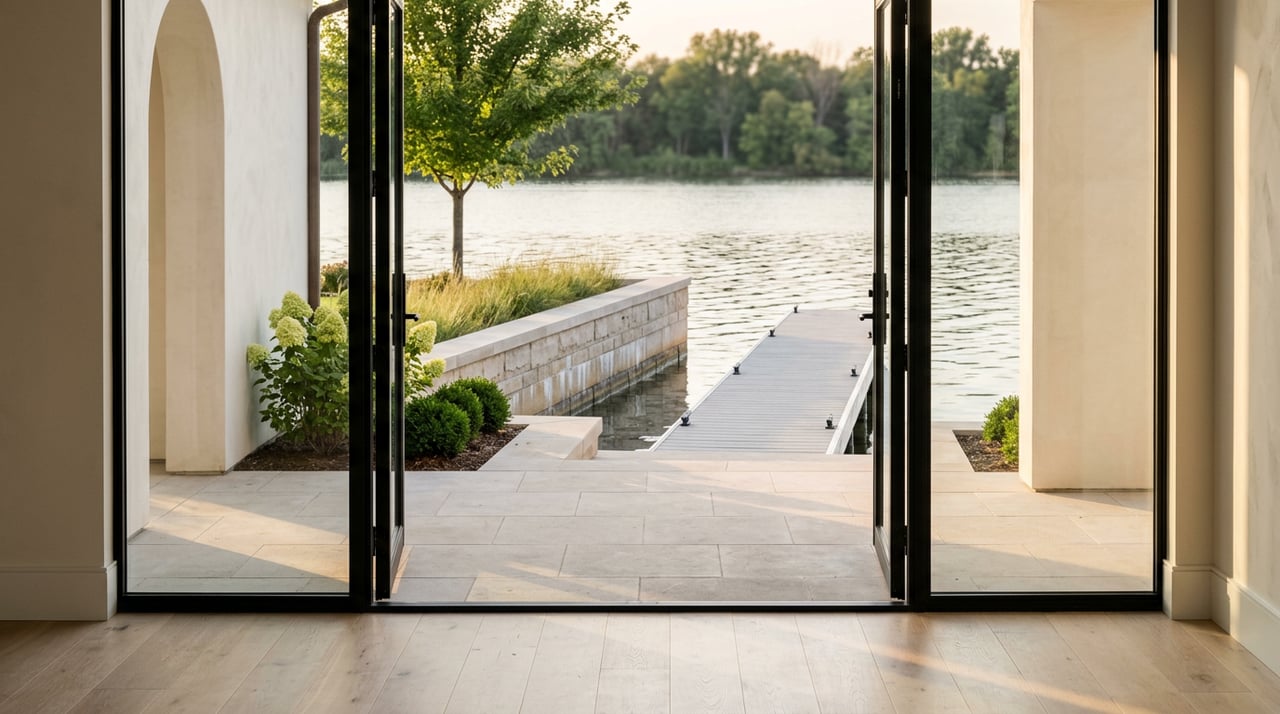
Morning coffee on the dock. Sunset boat rides. If you are drawn to the Geist lifestyle, you are not alone. The joy is real, but so are the costs that come with living on or near the water. Understanding those costs up front helps you buy with confidence and avoid surprises later.
In this guide, you will learn the typical ongoing expenses around Geist Reservoir, the big one-time projects that can pop up, who to contact for approvals, and a practical buyer checklist with sample budget ranges. Let’s dive in.
Key cost drivers at Geist
Waterfront and near-water homes bring a unique mix of routine and project costs. Neighborhood dues near Geist are often modest by lake standards, but shoreline work and insurance can add up. The biggest wild cards are docks, seawalls, and dredging. The good news is you can plan ahead when you know what to ask and where to look.
Annual costs to budget
HOA and lake programs
Many Geist subdivisions have low annual HOA dues compared with other lakes. Sample listings show fees in the low hundreds per year, often around a few hundred dollars, and some examples fall between about 290 and 540 dollars per year. These dues usually cover entrances, landscaping, and common areas, not private dock or shoreline maintenance. You can see typical examples in current listings for Geist-area neighborhoods on sites like Lakehouse that publish HOA details in property data.
- Review the HOA budget, reserves, and any recent special assessments before you commit. Some owners also join voluntary weed or algae treatment programs. In some years, individual waterfront owners have paid roughly 1,250 dollars for private treatments, according to local reporting on proposed lake programs.
For background on HOA fee examples and local lake efforts, explore representative listing data on Lakehouse and local coverage of Geist property owner initiatives.
- Reference: Typical HOA fees shown in current Geist listings (see representative examples on Lakehouse).
- Reference: Local coverage of weed treatment and conservancy discussions in Geist (You Are Current).
Lakehouse listing example with fee details
Local coverage of Geist lake programs and conservancy effort
Insurance near the water
Waterfront homes often carry higher homeowners insurance premiums because of rebuild value, liability exposure, and dock or lift structures. Coverage and exclusions vary by carrier, so ask how docks and lifts are handled and whether wave or ice losses are excluded. The Insurance Information Institute outlines how to protect your home, what perils are covered, and why premiums differ by risk profile.
How to protect your home against disasters
Flood insurance specifics
Standard homeowners policies do not cover flood. Flood coverage is a separate policy through the NFIP or a private carrier. FEMA’s Risk Rating 2.0 now prices flood insurance with property-specific factors like distance to water, elevation, and replacement cost. Two nearby homes can have very different premiums. There is usually a waiting period before a new NFIP policy becomes active, so start early in the buying process.
- Check the property’s current flood zone at FEMA’s Flood Map Service Center.
- Ask for a quote from an insurance agent as soon as you are serious about a home.
Utilities and property taxes
Electricity, water, sewer, and trash vary by home size and features. Pools, irrigation, pumps, and large square footage can raise utility costs. Ask the seller for 12 months of utility bills for a realistic annual picture. Property taxes are based on assessed value, so many high-value waterfront homes carry higher annual taxes. Always pull the parcel’s tax history during your inspection window.
Shoreline and dock projects
Docks and lifts
Dock costs vary by type, size, and materials. National guidance places typical small to medium dock builds roughly between 4,000 and 30,000 dollars, with an average near the mid-teens. Floating docks tend to be less expensive than piling or permanent structures. Add-ons matter. Boat lifts commonly run 1,000 to 15,000 dollars depending on size and power.
- Plan for routine maintenance as well. Minor repairs can be in the hundreds, while structural fixes climb into the thousands.
Dock build and repair cost ranges
Seawalls and riprap
Shoreline protection is a major budget item. Industry guides show basic steel or concrete seawalls commonly running from about 150 to 600 dollars per linear foot, while complex repair or full replacement scenarios can reach 1,200 dollars or more per linear foot. Material choice, engineering, and permits can shift the final price.
- Lifespan varies by material. Treated timber is typically shorter-lived, while vinyl, steel, concrete, or riprap can last longer. Have a qualified shoreline or marine engineer evaluate the existing structure before you remove contingencies.
Bulkhead and seawall repair cost factors
Dredging reality
Dredging is the most variable and often the most expensive line item. Small near-dock projects can land in the low tens of thousands. Larger cove or community-scale efforts can run into the tens or even hundreds of thousands, depending on sediment volume, method, disposal, and permitting. At Geist, periodic dredging has been a community topic for years as stakeholders balance water quality needs and costs.
Reporting on Geist dredging and costs
Permits and decision makers
Citizens Energy Group
Citizens Energy Group owns and operates Geist Reservoir for water supply and quality. It has performed reservoir work in certain inlet areas. For shoreline changes, docks, or dredging adjacent to private property, confirm what written permissions are required. Citizens typically does not dredge for purely recreational purposes in front of private homes, so owners or HOAs often fund work that benefits their frontage.
HOA rules and records
Your HOA covenants and plats determine whether a dock or seawall is deeded to the lot or controlled by the community. That also determines who pays for maintenance and replacement. Always review the covenants, current budget, and at least three years of financial statements and meeting minutes to check for special assessments or pending shoreline work.
Indiana DNR and conservancy districts
Indiana law allows the formation of conservancy districts that can manage dredging, weed control, shoreline remediation, and related projects. These districts can levy special benefit assessments and collect user or recreation fees within their boundaries. If a Geist-area conservancy district becomes active, it could add a recurring assessment for affected properties. Confirm current legal status and boundaries during due diligence.
Indiana DNR guidance on conservancy districts
Sample budget ranges
Use these ranges as conversation starters, not guarantees. Always obtain property-specific quotes and bids.
- HOA or neighborhood dues: about 300 to 600 dollars per year for many Geist subdivisions. Review the budget and any history of special assessments.
- Optional lake treatments: 0 to 1,500 dollars per year if you choose to join private or voluntary weed or algae programs.
- Homeowners insurance: varies by carrier and coverage. Waterfront exposures and liability can raise premiums. Ask if docks and lifts are covered or excluded.
- Flood insurance: highly property-specific under Risk Rating 2.0. Get quotes early and confirm waiting periods.
- Dock build or replacement: 4,000 to 30,000 dollars for typical small to medium docks, plus 1,000 to 15,000 dollars for a boat lift.
- Seawall or shoreline work: 150 to 1,200 dollars per linear foot depending on material and scope. Add engineering and permit costs.
- Dredging: small near-dock jobs can be in the tens of thousands. Neighborhood or cove projects can run from the tens to the hundreds of thousands depending on method, sediment, and disposal.
Budget tip: Ask the seller for the last invoices or warranties on any dock, lift, seawall, or dredging work. Those documents are gold for right-sizing your numbers.
Buyer due diligence checklist
Gather these items before you write an offer or during inspection.
- HOA documents: covenants, current budget, reserve study if available, and three years of meeting minutes. Look for any shoreline or dredging assessments.
- Seller’s operating costs: 12 months of utility bills and the last two years of property tax bills for baseline planning.
- Shoreline files: permits, contracts, warranties, and invoices for the dock, lift, seawall, and any dredging. Confirm ownership of the dock and whether slips are deeded or shared.
- Flood details: current FEMA flood zone printout and a flood insurance quote. Start this early since policies often have waiting periods.
- Insurance quotes: homeowners, flood, any endorsements for docks or lifts, and your agent’s guidance on umbrella liability for dock use.
- Conservancy status: ask whether the property lies within any proposed or active conservancy district and what assessments or user fees may apply.
Helpful references while you research:
- FEMA Flood Map Service Center for flood zones and panels.
- Risk Rating 2.0 overview to understand how premiums are set.
- Dock cost ranges and options to frame build and repair budgets.
- Seawall repair cost factors to estimate per linear foot.
How Homes of Worth helps
You deserve a clear, complete picture before you commit to a waterfront home. At Homes of Worth, we blend market intelligence with calm, design-forward guidance, so you can plan with precision. We help you gather the right documents, connect with qualified shoreline and insurance pros, and understand how HOA rules and potential conservancy assessments could affect your budget.
If you are exploring a move around Geist, we would love to be your trusted local partner. Reach out to schedule a conversation and we will tailor a plan around your goals, timing, and budget.
Book a Free Consultation with Homes of Worth.
FAQs
How much are HOA fees near Geist Reservoir?
- Many Geist subdivisions show modest annual dues in the low hundreds per year, often a few hundred dollars, but scope and any special assessments vary by neighborhood.
Do I need flood insurance for a home near the water?
- Standard homeowners insurance does not cover flood. FEMA’s Risk Rating 2.0 sets property-specific flood premiums, so get quotes early and check the FEMA flood map for the address.
What does it cost to build a dock on Geist?
- National guidance places many small to medium dock builds roughly between 4,000 and 30,000 dollars, with lifts often 1,000 to 15,000 dollars depending on size and power.
How much does a seawall cost to repair or replace?
- Seawall costs often range from about 150 to 600 dollars per linear foot, with complex replacements reaching 1,200 dollars or more per foot. Have a shoreline engineer inspect before you buy.
Who pays for dredging near my property at Geist?
- Private near-dock or cove dredging is commonly funded by fronting owners or HOAs. Larger community projects have been debated locally, and a future conservancy district could assess properties within its boundary.